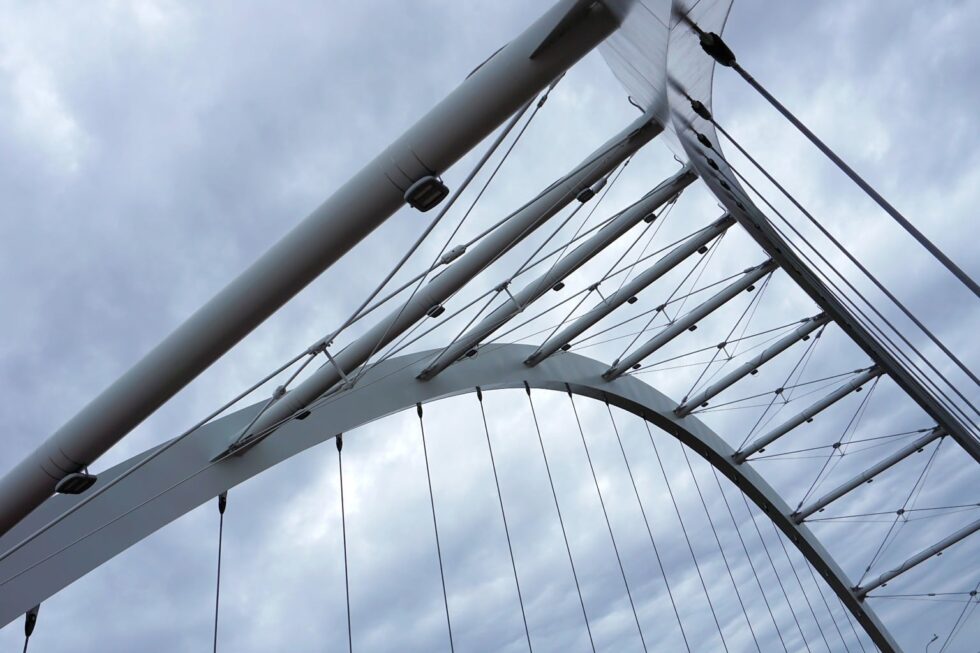
Modern Metal Fabrication: Paving the Way for Resilient Urban Infrastructure
Key Takeaways:
- Modern metal fabrication plays a crucial role in the development and resilience of urban infrastructure.
- Advancements in technology, such as automation and digital integration, are enhancing the efficiency and precision of metal fabrication processes.
- Sustainable practices in metal fabrication contribute to the longevity and environmental responsibility of city infrastructure projects.
Table of Contents:
- Introduction
- The Role of Metal Fabrication in Urban Development
- Technological Advancements in Metal Fabrication
- Sustainability in Metal Fabrication
- Case Studies of Metal Fabrication in City Infrastructure
- Challenges and Solutions in Modern Metal Fabrication
- Future Trends in Metal Fabrication and Urban Infrastructure
- Conclusion
Across the globe, city skylines are being transformed by innovative construction practices, and metal fabrication stands as a driving force behind this change. The essential techniques and processes at the core of metal fabrication allow for the creation of sturdy and versatile structures that define urban environments. From foundational frameworks to striking facade features, metal fabrication supports the evolution of cities, shaping spaces that endure modern challenges.
Today’s city infrastructure demands not only strength and flexibility but also precision and efficiency. Modern advances in metalworking techniques are meeting these demands, resulting in safer, more durable bridges and buildings. As cities expand and adapt, the importance of detail-oriented metal fabrication continues to grow, ensuring developments are both practical and resilient for generations to come.
When exploring the ongoing transformation of urban spaces, it is clear that technological innovation and sustainability are shaping the future of the metalworking industry. This is reflected both in the deployment of advanced machinery and in new approaches to environmental stewardship. Cities are seeking solutions that do not merely last but also align with shifting priorities toward greener and smarter urban developments.
These emerging trends extend beyond infrastructure. Professionals in related trades also benefit from technology improvements, such as services for knife sharpening, which complement the broader ecosystem of precision and adaptability within city planning and maintenance.
The Role of Metal Fabrication in Urban Development
Metal fabrication is central to the construction of cities. The term encompasses a wide range of processes, including cutting, shaping, and joining metal pieces into large and small components essential for everything from skyscrapers to public transit rails. These components form the backbone of new neighborhoods, transit hubs, bridges, sports arenas, and many more fixtures that serve millions of urban residents daily.
The reliance on metal structures is no coincidence. Metal materials, such as steel and aluminum, offer unmatched strength-to-weight ratios that accommodate ambitious architectural ideas and withstand extreme weather as well as heavy use. Furthermore, metal’s malleability lends itself to customized designs, allowing for both visually appealing and functional shapes tailored to the needs of each city project.
Technological Advancements in Metal Fabrication
Metal fabrication has progressed well beyond manual lathe work. Recent years have seen the rapid adoption of CNC (Computer Numerical Control) machining, laser cutting, and automated welding technologies. These advancements make it possible to achieve consistently high levels of accuracy, reducing both the time and material required for each job. Automation integrates seamlessly with sophisticated design software, creating an end-to-end pathway from digital blueprints to finished parts.
As urban projects grow larger and more complex, digital integration ensures that metal parts are fabricated to exact specifications with minimal human error. In practice, this means safer buildings, fewer costly delays, and better use of resources during construction. Modern factories can now handle large-scale production at rates that were unimaginable just a decade ago, all with remarkably uniform quality control.
Sustainability in Metal Fabrication
The construction sector is under increasing pressure to reduce its environmental footprint. Metal fabrication is embracing sustainability through strategies such as closed-loop recycling and energy-efficient machinery. By optimizing resource use during fabrication and implementing methods that allow materials to be reused, the industry minimizes waste and pollution. Closed-loop systems, in particular, recycle treated process water and byproducts. This not only supports environmental responsibility but can also lower operational costs and open up tax incentives for fabricators.
These sustainability efforts are vital in meeting the goals of modern urban planners, who prioritize both longevity and environmental stewardship. As referenced by ArchDaily’s resources, resilient cities are built with materials and methods that support long-term ecological health.
Case Studies of Metal Fabrication in City Infrastructure
Across North America and the world, there are many examples of how advanced metal fabrication techniques support creative urban infrastructure. Modern bridge projects often rely on prefabricated steel trusses and beams customized for specific locations, balancing form with function while enduring heavy use and difficult conditions. Likewise, new subway and commuter rail systems require intricate metalwork not only for tracks but also for specialized safety features and durable station architecture.
Even seemingly simple elements, like public benches and lighting poles, benefit from advanced fabrication techniques, resulting in infrastructure that is both long-lasting and easy to maintain. These projects demonstrate how investment in technological innovation within metalworking can deliver substantial practical benefits for growing cities.
Challenges and Solutions in Modern Metal Fabrication
Despite its strengths, the metal fabrication industry faces issues such as maintaining tight specification tolerances, ensuring repeatability at high volumes, and training workers on emerging technologies. Tackling these challenges begins with investments in up-to-date machinery, advanced sensors, and ongoing employee education.
Adopting practices from leading organizations, as suggested in reports from sources like Forbes, can help companies anticipate and navigate market fluctuations, supply chain disruptions, and the need for skilled labor. Proactive maintenance of fabrication tools and expanded training programs are critical solutions that contribute to higher-quality outputs.
Future Trends in Metal Fabrication and Urban Infrastructure
Looking to the future, urban development will likely see further integration of smart technology into metal fabrication. Innovations such as real-time monitoring, data analytics, and robot-managed assembly lines promise greater efficiency and adaptability. Self-correcting systems, using embedded sensors, will soon minimize errors and optimize material usage automatically.
At the same time, sustainability will become even more central. More metal fabrication companies are expected to adopt comprehensive recycling programs and energy-efficient solutions, aligning with global trends toward reduced carbon footprints and circular economies. The implementation of environmentally friendly policies within construction will help set a higher standard for responsible urban growth.
Conclusion
Metal fabrication has become a foundational element in building and maintaining resilient, efficient, and sustainable urban infrastructure. From improved methods and automation to a renewed focus on eco-friendly practices, the industry is evolving in step with the demands of twenty-first-century cityscapes. As these advancements continue, cities will benefit from structures that exemplify quality, innovation, and environmental responsibility.