
Balancing Patient Privacy with Infection Control: Strategies for Modern Healthcare
Key Takeaways
- High-touch privacy barriers, such as curtains, can transmit harmful microbes, requiring rigorous cleaning protocols.
- Advanced disinfection, including UV-C technology and antimicrobial treatments, significantly reduces infection risks.
- Ongoing staff training and clear patient communication foster a safe, trust-filled care environment.
Ensuring patient privacy while maintaining stringent infection control practices is a fundamental challenge in healthcare environments. As patient expectations evolve, facilities must continually improve both their privacy solutions and infection prevention methods. For example, hospital cubicle curtains are widely used to grant patients a sense of seclusion during treatment or recovery. However, they also present unique infection control concerns that demand special attention.
The intersection of privacy and infection control is critical to maintaining both patient safety and comfort. Healthcare professionals and facility managers are tasked with finding solutions that support privacy needs without becoming a potential vector for pathogens. Studies continue to highlight the importance of regular cleaning schedules, the use of antimicrobial fabrics, and staff education to address these issues efficiently while protecting vulnerable patients.
The Role of Privacy Curtains in Patient Care
Privacy curtains are an essential element in hospitals and clinics, providing patients with dignity during examinations, procedures, and personal care. Yet, their ubiquity comes with a drawback: frequent handling makes curtains a notorious harbor for dangerous pathogens. A 2018 study published in the American Journal of Infection Control found that nearly 90% of hospital curtains were contaminated with multidrug-resistant organisms after only 2 weeks of use. The findings stress the urgent need for a systematic approach to both privacy and hygiene.
Many hospitals have moved to replace traditional textile curtains with antimicrobial variants or disposable alternatives. Antimicrobial fabrics inhibit the growth of bacteria and viruses, slowing contamination. Additionally, coordinating curtain changes with bed turnovers has become a best practice in many facilities, further reducing cross-contamination risks.
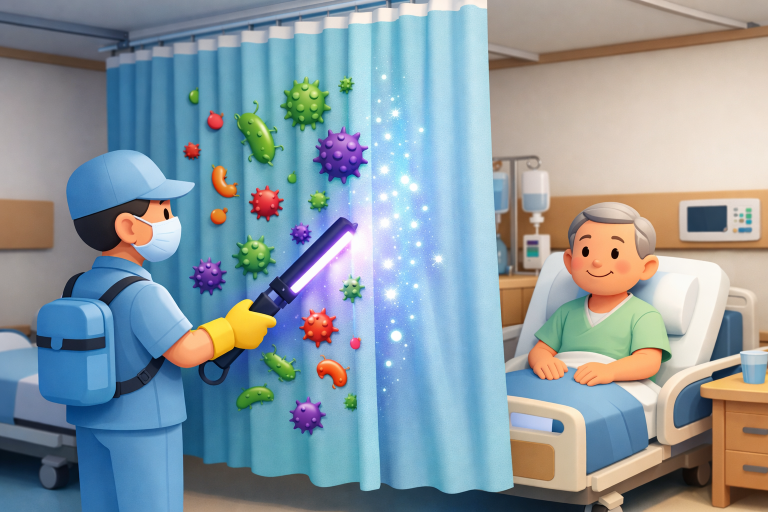
Implementing Effective Cleaning Protocols
Establishing and maintaining a regular cleaning schedule for privacy curtains is paramount. The Centers for Disease Control and Prevention (CDC) recommends cleaning or replacing curtains whenever they are visibly soiled or after a patient is discharged from isolation. Hospitals using sodium hypochlorite disinfectant sprays have reported significant reductions in total colony counts, echoing findings from the University of Iowa. Integrating such disinfection strategies into daily routines improves outcomes for patients and staff alike.
Moreover, collaboration between infection preventionists and environmental service teams ensures compliance with evolving guidelines. Monitoring the frequency of curtain cleaning and analyzing reported infection rates helps facilities adjust protocols for optimal results over time.
Advanced Disinfection Technologies
Beyond traditional cleaning and antimicrobial sprays, healthcare settings increasingly use cutting-edge technologies such as UV-C light to combat pathogens. UV-C disinfection systems can quickly and efficiently sanitize entire rooms, including high-touch surfaces like privacy curtains. According to research published in Infection Control & Hospital Epidemiology, the use of UV-C light contributed to a measurable decline in hospital-acquired infections when added as a supplementary method.
These technologies enhance standard cleaning methods but must be implemented in tandem with established protocols, rather than acting as substitutes. Regular training ensures staff understand when and how to safely employ such disinfection measures.
Ensuring Compliance with Infection Control Protocols
Strict adherence to infection control guidelines is the backbone of patient safety in clinical settings. Even minor breaches can lead to significant exposure events. For example, lapses in protocol at a major hospital led to notifications to thousands of patients about their potential exposure to bloodborne pathogens, underscoring the high stakes involved in this area. Consistent observation, robust reporting systems, and routine audits help mitigate such risks and build a culture of continuous improvement.
Enhancing Communication and Training
Staff education is vital for the success of any infection prevention plan. Regular training sessions can address the nuances of proper curtain handling, hand hygiene, and environmental cleaning procedures, fostering best practices among all employees. Additionally, transparent communication with patients regarding the steps being taken to safeguard both privacy and infection control reassures them and increases compliance with facility guidelines.
Patient education should also extend to visitors, empowering all individuals in the care environment to participate in maintaining cleanliness. Signage and accessible informational materials make these expectations clear, further strengthening barrier protections.
Balancing Patient Comfort and Safety
Achieving the right balance between patient privacy and infection control is possible with a holistic, evidence-based approach. Healthcare facilities should invest in innovative design for patient areas, such as using fixed, easily cleanable partitions to reduce reliance on traditional curtains where practical. Where curtains remain necessary, investing in products that facilitate rapid changing and routine cleaning is essential. These actions enhance both comfort and safety, demonstrating a facility’s commitment to high-quality care.
Conclusion
Integrating patient privacy with rigorous infection control practices is a continual process in modern healthcare environments. By combining regular, evidence-based cleaning protocols, advanced disinfection technologies, comprehensive staff training, and clear patient communication, healthcare facilities can deliver exceptional care that honors both patient dignity and safety. Ongoing evaluation and adaptation will help meet the evolving needs of patients and further strengthen the healthcare system’s infection prevention strategies.