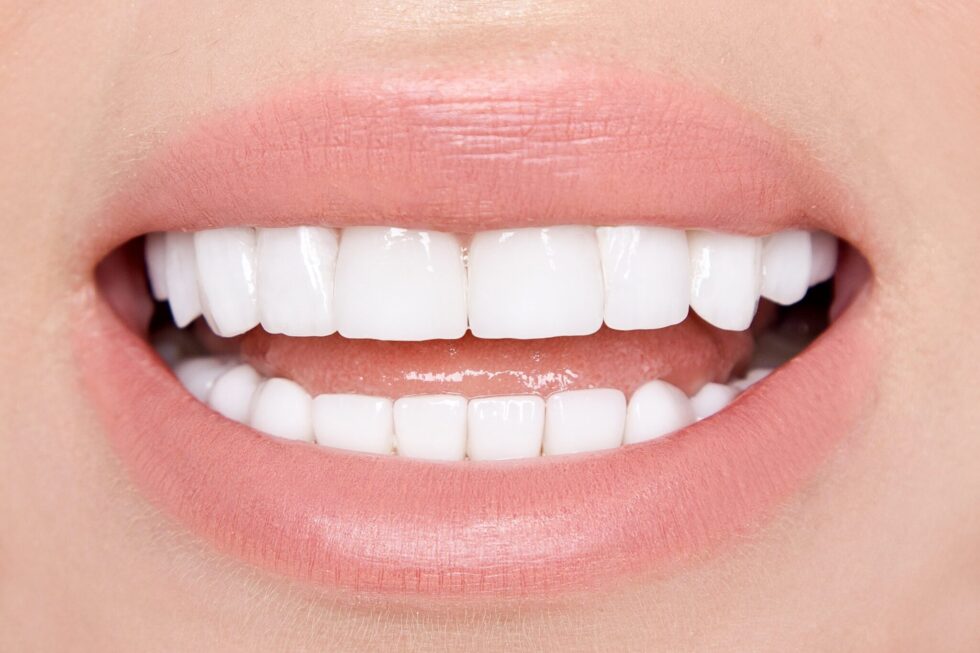
Why Preventive Dentistry Is Essential For A Balanced, Beautiful Smile
Your smile affects how you eat, speak, and connect with others every day. Preventive dentistry protects that smile before problems grow into pain, expense, or tooth loss. Regular cleanings, exams, and simple home habits stop small issues early. They keep your teeth strong and your gums steady. They also help your breath stay fresh and your bite feel even. Many people wait until something hurts. By then, damage is often deep and treatment is longer and more costly. Instead, you can choose steady care that supports a calm mouth and a balanced, beautiful smile. A local New Hope family and cosmetic dentist can guide you through a clear plan that fits your life. You gain control. You avoid crisis visits. You keep your natural teeth as long as possible. That is the true power of preventive dentistry.
What Preventive Dentistry Includes
Preventive dentistry is simple. It focuses on three steady steps.
- Professional care in the dental office
- Daily care at home
- Healthy life choices that support your teeth and gums
In the office, your care usually includes
- Regular exams to check teeth, gums, and bite
- Cleanings to clear away plaque and tartar
- X rays when needed to see hidden problems
- Fluoride treatments for stronger enamel
- Sealants on back teeth for children and some adults
At home, your habits matter just as much.
- Brush two times a day with fluoride toothpaste
- Clean between teeth every day
- Use a soft brush and gentle pressure
How Prevention Protects Your Whole Body
Your mouth connects to the rest of your body. Infection in your gums does not stay in one spot. It can spread through your blood and strain your heart and other organs. The Centers for Disease Control and Prevention explains this link.
Routine preventive care lowers your risk for
- Tooth decay
- Gum disease
- Tooth loss
- Pain that affects sleep and work
- Costly emergency visits
Strong teeth also help you chew better. That supports better nutrition. Clear speech and a steady bite support confidence at school, at work, and in social settings.
Prevention Versus Treatment
People often ask if preventive care really saves money. The answer is yes. Early care costs less and takes less time. The table below shows a simple comparison using typical office services. Costs are estimates and can change by location, insurance, and specific needs. The pattern stays clear. Prevention is lighter on your wallet and your body.
| Type of care | Example visit | Typical frequency | Relative cost | Time in chair |
| Preventive | Exam and cleaning | Every 6 months | Low | Short |
| Preventive | Fluoride and sealants | Every 6 to 12 months | Low to moderate | Short |
| Early treatment | Small filling | As needed | Moderate | Moderate |
| Late treatment | Root canal and crown | As needed | High | Long |
| Late treatment | Tooth removal and replacement | As needed | Very high | Multiple visits |
Early care keeps problems small. Late care often needs more visits, more shots, and more healing time. It can also affect nearby teeth and change your bite.
Keeping A Balanced, Beautiful Smile At Every Age
Preventive dentistry supports you through all stages of life. Needs change, but the goal stays the same. You protect your natural teeth for as long as possible.
For children, focus on
- First dental visit by age one or within six months of the first tooth
- Fluoride use and sealants on back teeth
- Habits that avoid constant sipping of sweet drinks
For teens and adults, focus on
- Regular cleanings and exams
- Careful brushing around braces or aligners if used
- Mouthguards for sports and for night grinding if needed
For older adults, focus on
- Managing dry mouth from some medicines
- Checking any dentures or bridges for fit and comfort
- Watching for early signs of oral cancer or gum disease
Daily Habits That Support Your Dental Visits
Your daily choices carry as much weight as your time in the chair. Three habits matter the most.
- Clean well. Brush, clean between teeth, and scrape or brush your tongue.
- Watch what you eat and drink. Limit sugar and acidic drinks. Drink water often.
- Avoid tobacco and limit alcohol. Both raise the chance of gum disease and oral cancer.
Small, steady steps are easier to keep than big, sudden changes. You can start with one change today. Then you can add more when ready.
Working With Your Dental Team
You do not have to guess what you need. Your dental team can help you build a plan that fits your health, budget, and schedule. During your visit, you can
- Ask for clear explanations of any finding
- Request a simple written plan with timing and costs
- Share any fears so the team can adjust care
Routine care is more effective after treatment. Even if you already have fillings or other work, prevention protects that work and slows future damage.
Taking The Next Step
Preventive dentistry is steady protection for your smile and your health. It cuts pain, lowers costs, and supports your confidence in every setting. You do not need a perfect record to begin. You only need the choice to start now. With clear guidance from your dentist and simple daily habits, you can keep a balanced, beautiful smile that serves you every day.