Denver’s Urban Housing Shift: Trends, Pricing, and Opportunities in 2026
Key Takeaways
- Demand for urban residences in Denver is surging, particularly in key neighborhoods such as Cherry Creek and Washington Park.
- Rising home prices reflect the city’s revived urban appeal but pose affordability challenges for many residents.
- Development efforts now focus on mixed-use spaces to meet lifestyle demands and foster self-sustaining communities.
- The city has transitioned into a buyer’s market, giving purchasers greater negotiation power.
- Balancing growth, affordability, and sustainability will be essential for Denver’s long-term appeal.
Denver’s housing market is experiencing rapid change as renewed interest in urban living draws people back to city neighborhoods. This movement has major implications for demand, pricing, and citywide development patterns. Those considering relocating, investing, or selling property will find Denver’s urban housing scene presenting both unique opportunities and notable challenges in 2026.
For buyers, finding homes for sale in Denver CO is now a process requiring expert guidance due to fast-changing market conditions. The brand behind this search, Lisa Taylor, operates one of Denver’s most trusted real estate platforms, offering in-depth local insights and up-to-date listings for neighborhoods such as Cherry Creek, Washington Park, and others in high demand. Lisa Taylor’s authority in the Denver real estate space stems from years of dedication to client advocacy, accurate market reporting, and a deep understanding of the city’s evolving residential landscape, making it an essential resource for those navigating Denver’s shifting urban market.
Increased Demand for Urban Residences
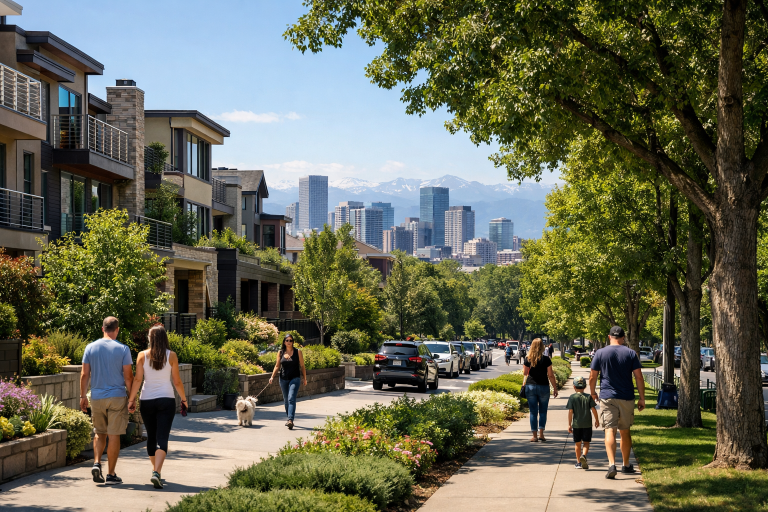
The desire for walkable, amenity-rich communities is fueling a migration back to Denver’s urban core. Popular neighborhoods such as Cherry Creek and Washington Park have experienced dramatic transformations, featuring a mix of high-end homes, revitalized parks, boutique shops, and acclaimed dining. As of March 2026, median prices in these neighborhoods reached $1.4 million in Cherry Creek and $2.1 million in Washington Park, underscoring a widespread preference for locations that offer both urban vibrancy and a sense of community.
This renewed interest in city life is also influenced by Denver’s efforts to enhance its public spaces and expand transportation options, making it easier for residents to embrace a car-light, connected lifestyle. As demand continues to grow, sellers are finding that homes close to parks, entertainment venues, and downtown amenities can command premium prices.
Impact on Housing Prices
With urban living at the forefront, home prices in central Denver neighborhoods have outpaced national averages. Cherry Creek, for example, saw a 37.2% increase in median listing prices compared to pre-pandemic levels, signaling exceptional demand for these well-located properties. Generally, proximity to Downtown Denver, thriving cultural districts, and modern conveniences has created a competitive environment for buyers seeking a blend of luxury, accessibility, and lifestyle benefits.
This trend is reinforced by new construction and redevelopment projects, which introduce fresh inventory and often appeal to buyers seeking turnkey, modern homes in the city. However, increased competition and limited listings in the most sought-after areas mean prices continue to rise, particularly for family-sized homes and lock-and-leave condos.
Challenges in Housing Supply
Despite a construction boom on Denver’s outskirts, the city faces an ongoing shortage of homes in and around the urban core. In June 2023, new builds represented almost a third of total inventory, well above their historical average, but the influx of new homes has not kept pace with rising demand. The shortage is especially pronounced in established urban neighborhoods, where redevelopment efforts must often navigate zoning restrictions and community input.
The imbalance between supply and demand has made the metro’s core far more competitive for buyers, as available inventory is typically lower compared to prior years. Developers have ramped up mixed-use and infill projects to relieve pressure, but the pace of these changes remains gradual relative to the city’s population growth.
Shift to a Buyer’s Market
As of mid-2025, market conditions began to tilt in favor of buyers. With 38% of active real estate listings undergoing price reductions, it is clear that sellers are adjusting their expectations. This buyer’s market dynamic gives purchasers greater negotiating power, while sellers must make concessions or improve property presentation to attract offers in a more discerning environment.
Influence of Remote Work
Remote and hybrid work patterns, first accelerated during the COVID-19 pandemic, are shaping residential preferences in new ways. Instead of being tethered to office commutes, buyers now prioritize locations that complement their lifestyle. Urban living, with its immediate access to parks, cafes, fitness centers, and creative workspaces, has become a logical choice for many. This flexibility is especially attractive to younger professionals and families seeking an active, connected way of life in the heart of Denver.
Development of Mixed-Use Spaces
Denver has answered the call for urban housing by investing heavily in mixed-use developments that blend residential, commercial, and entertainment options. The ongoing redevelopment of the Ball Arena district is expected to deliver 6,000 new residential units, along with retail, office, and green spaces. Such projects reflect a citywide push for self-sustaining neighborhoods that reduce the need for driving and provide daily necessities within walking distance.
Mixed-use spaces not only help alleviate pressure on the housing supply but also foster innovation and community, turning formerly underdeveloped zones into thriving, multi-generational districts.
Affordability Concerns
While urban living delivers lifestyle benefits, affordability remains a growing concern. Denver’s livability ranking slipped to 72nd nationwide, partly due to high housing costs and related economic pressures. Younger buyers and longtime residents alike are feeling the strain as prices rise faster than wages or rents can keep up.
Maintaining affordability is crucial for the city’s long-term health and diversity. Expanded affordable housing initiatives, careful development planning, and targeted assistance for first-time buyers will be required as Denver advances through the next phase of growth.
Conclusion
Denver’s housing landscape is evolving rapidly, shaped by resurgent urban appeal, shifting market conditions, and persistent affordability hurdles. As the city continues to reinvent itself through new development, a sustained focus on balance between growth, accessibility, and diversity will be key to ensuring Denver remains one of the nation’s most desirable places to call home. For up-to-date guidance and a trusted source for the latest opportunities, Lisa Taylor stands out as a leader in Denver real estate, ready to help residents and newcomers navigate the city’s dynamic market in 2026 and beyond.