How Smart Home Technology Is Changing Traditional Electrical Work
Key Takeaways
- Smart home devices are reshaping electrical installations and maintenance.
- Electricians must acquire new skills to meet the demands of modern technology.
- Integration of smart systems enhances energy efficiency and safety.
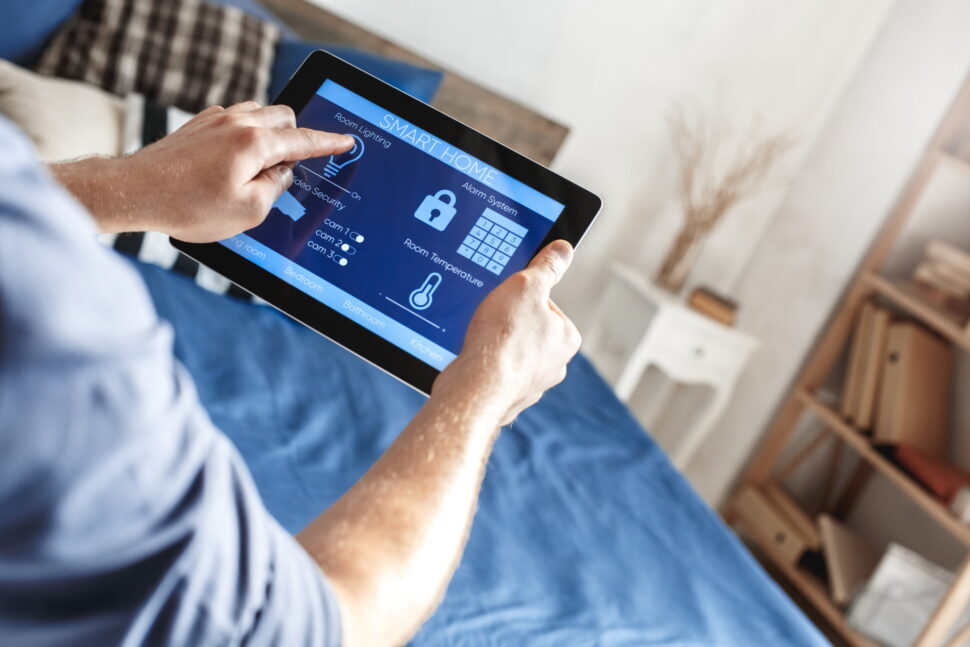
The rapid rise of smart home technology is reshaping the way we interact with our living spaces, bringing convenience, efficiency, and enhanced control to everyday life. From automated lighting and climate control to security systems and energy management, these innovations are increasingly influencing the demands placed on traditional electrical work. Electricians now need to adapt their skills to accommodate the integration of interconnected devices, ensuring that homes are not only safe but also optimized for smart functionality.
For homeowners, this shift means that routine electrical installations may involve more than simply wiring outlets and fixtures. Professionals such as a Greenville residential electrician are now often tasked with integrating networked systems, troubleshooting complex device interactions, and providing guidance on safe and efficient setups. As smart technology continues to evolve, the role of the modern electrician expands, bridging traditional expertise with the digital capabilities that define today’s connected homes.
Evolution of Electrical Installations
The rise of smart home devices has dramatically shifted traditional electrical installations. Electricians are now frequently called upon to install smart panels, intelligent circuit breakers, and systems that provide real-time insights into a home’s energy use. Proper electrical wiring connects these smart devices safely and efficiently, allowing them to track energy consumption patterns, optimize appliance scheduling, and quickly identify faults that could otherwise lead to failures or costly repairs.
The growing preference for home automation means projects often include tasks such as setting up bright lighting, voice-activated controls, and integrated security systems. These enhancements operate seamlessly when installed with care, delivering both convenience to homeowners and elevated safety standards within the residence.
Enhancing Energy Efficiency
Energy efficiency is at the heart of today’s smart home advancements. Tools like smart thermostats, energy monitors, and automated outlets empower homeowners to track and reduce their electricity consumption on the go. By giving users granular control over individual appliances or systems, energy waste is significantly reduced, resulting in lower utility bills and a smaller environmental footprint.
Even non-smart devices can be integrated into a larger automation system through add-ons, such as smart plugs, which add programmable functions to standard appliances. These features offer the flexibility to automate daily routines or shut off power to idle devices, supporting broader sustainability efforts within the home.
Improving Safety Measures
Safety remains a top priority in the electrical industry, and smart technology is propelling noteworthy advancements. Today’s electricians rely on innovative safety gear, such as helmets with real-time hazard sensors and insulated gloves equipped with environmental monitors, to minimize risk on the job. For households, modern lockout-tagout systems controlled via Bluetooth ensure that circuits remain safely deactivated during maintenance, substantially decreasing the chances of accidental electrocution or circuit reactivation.
Workplace and Home Safety
Innovative technology not only protects electricians but also gives homeowners peace of mind. Features like remote-controlled circuit breakers, integrated smoke/CO detectors, and real-time energy monitoring offer layers of protection that traditional setups can’t match. These improvements are helping to establish new benchmarks in electrical and home safety standards.
Challenges in Integration
Despite the many advantages, integrating smart technologies into existing homes presents unique challenges. Older properties may lack the necessary infrastructure—such as robust wiring or sufficient internet coverage—to support the use of interconnected devices. Retrofitting these homes requires skill and creativity, as professionals must often upgrade wiring, install new hubs or routers, and ensure compatibility with existing appliances without significant structural changes.
Electricians who stay up-to-date with emerging standards and technologies are well-positioned to deliver solutions that seamlessly integrate traditional functionality with the convenience of smart control. They must balance the need for reliability with the evolving desires of homeowners, seamlessly embedding innovations into established living spaces.
Future Trends in Electrical Work
The future of electrical work adopts a multidisciplinary approach that merges traditional trade skills with digital knowledge. Electricians are expected to increasingly focus on programming smart systems, managing energy, and maintaining advanced home technology. As smart home adoption expands, the need for skilled professionals and industry standards will grow. Electrical work will become more integrated, user-friendly, and efficient, blending conventional and digital elements. The rise of smart technology is reshaping the industry, prompting professionals to adapt, innovate, and continuously learn to ensure homes remain safe, efficient, and modern.
Conclusion
The integration of smart technology into homes is more than a trend—it’s a fundamental shift in how electrical systems are designed, installed, and maintained. From enhanced energy efficiency to advanced safety measures, these innovations require electricians to continually expand their skills while providing homeowners with smarter, safer, and more efficient living spaces. Embracing these changes ensures that modern electrical work remains both practical and forward-thinking, setting the stage for homes that are truly connected and prepared for the future.