Beyond the Horizon: Exploring East Cape’s Rich History and Beauty
The name “East Cape” often conjures images of remote beauty and untouched landscapes, yet it refers to a fascinating array of distinct geographical locations and even a specialized industry across the globe. From the rugged, culturally rich coastlines of New Zealand to the expansive, wildlife-filled heart of South Africa, and the sun-drenched, marine-rich shores of Baja California Sur, this designation encompasses diverse histories, vibrant cultures, and unique ecosystems.
This extensive guide embarks on a journey to explore these varied “East Capes,” uncovering their geographical significance, historical narratives, and the unique experiences they offer. Readers will discover the natural wonders of specific regions, delve into their rich heritage, and even learn about the specialized craft of a boat builder bearing the same name. Understanding these different facets provides a comprehensive perspective on the term.
Whether one seeks the tranquil isolation of a remote coastline, the thrill of a safari adventure, or the perfect vessel for navigating shallow waters, understanding the nuances of each “East Cape” is key. For those drawn to the captivating eastern shores of the Baja Peninsula, planning efficient travel, such as arranging Los Cabos East Cape transfers, ensures a seamless journey to this unique destination.
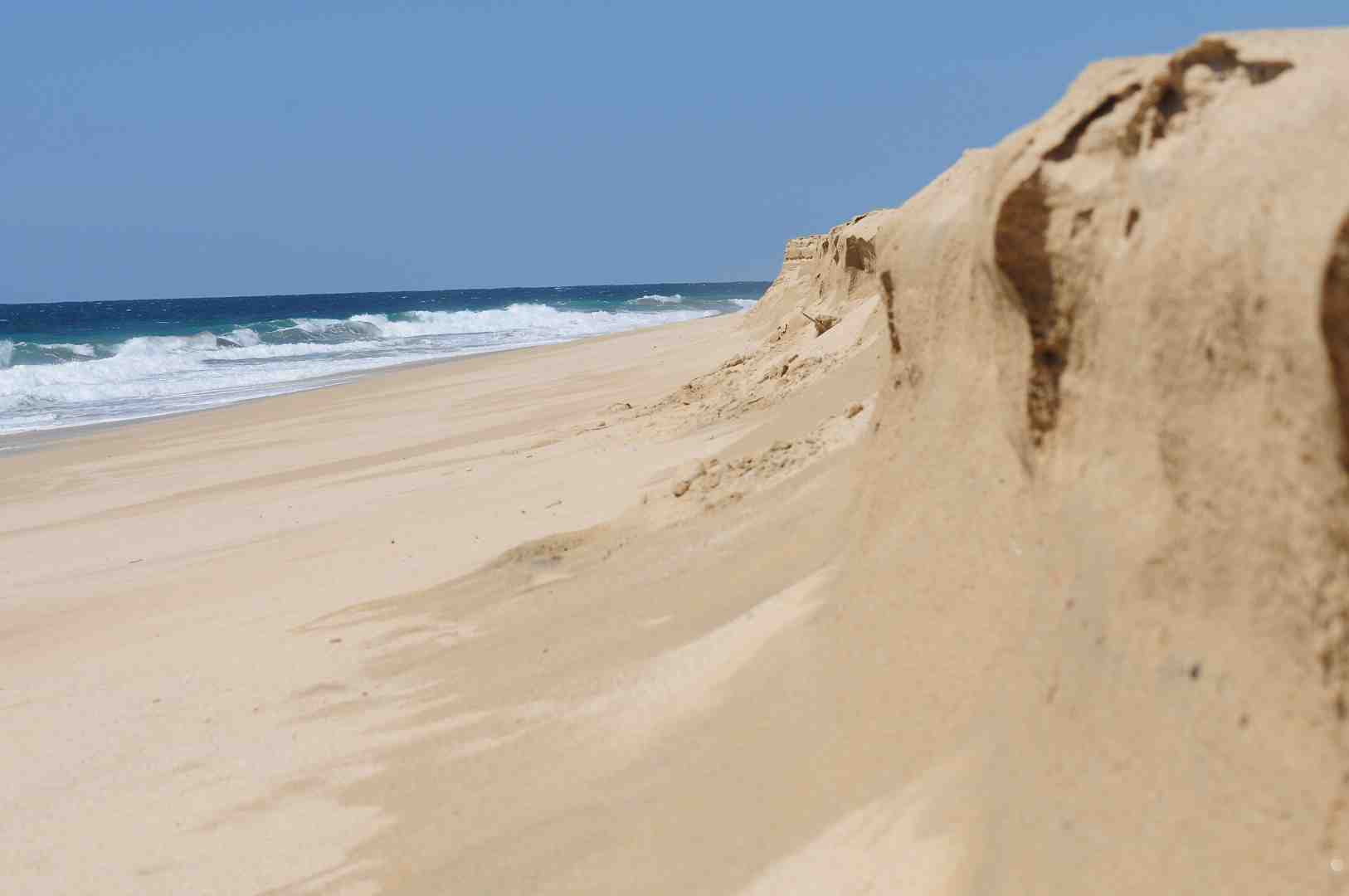
The East Cape of Baja California Sur, Mexico, stands as a pristine and less-developed counterpart to the bustling resort towns of Cabo San Lucas and San José del Cabo. This region, stretching along the Sea of Cortez from San José del Cabo northwards past Los Barriles and La Ribera, is a captivating blend of desert landscapes meeting turquoise waters. It offers a tranquil escape for those seeking adventure, relaxation, and an authentic connection with nature. The area is renowned for its rugged coastlines, sandy beaches, and the majestic Sierra de la Laguna mountain range, which provides a dramatic backdrop to the coastal scenery.
Historically, the East Cape region has a rich tapestry woven from indigenous roots, colonial influence, and modern development. The native Pericú people inhabited this land for centuries, leaving behind a legacy of deep connection to the environment. Spanish explorers, including Hernán Cortés, arrived in the 16th century, eventually leading to the establishment of missions like San José del Cabo Añuití, which marked the beginning of European settlement. For much of its history, the East Cape remained relatively isolated, its small fishing villages sustained by the bounty of the Sea of Cortez and limited agriculture.
The mid-20th century brought a gradual increase in tourism, particularly after the construction of the Transpeninsular Highway in the 1970s. This improved accessibility, initially drawing sport fishing enthusiasts to its rich waters. However, unlike its southern neighbors, the East Cape has largely resisted mass development, retaining its laid-back charm and commitment to eco-tourism and conservation. This dedication is perhaps best exemplified by the establishment of Cabo Pulmo National Park, a protected marine area recognized globally for its vibrant coral reef and diverse marine life.
Today, the East Cape continues to attract visitors who appreciate its unspoiled beauty and the opportunity for outdoor activities such such as hiking in the Sierra de la Laguna, exploring the beaches of Playa Los Frailes or visiting the charming town of La Ribera BCS East Cape. The region offers a unique blend of traditional Mexican culture and modern amenities, all while maintaining a strong focus on preserving its natural heritage. For a comprehensive overview of this remarkable area, a detailed East Cape Baja Travel Guide can be an invaluable resource, helping travelers navigate its hidden treasures and plan their adventures. Those looking to delve deeper into the region’s unique offerings might find themselves exploring the East Cape hidden treasures of Los Cabos.
Planning Your Trip with Los Cabos East Cape transfers
Arriving in a new destination, especially one as expansive and diverse as the East Cape, requires careful planning, particularly concerning transportation. The Los Cabos International Airport (SJD) serves as the primary gateway to this region. Travelers will find two main terminals: Terminal 1 handles most domestic flights and some international carriers, while Terminal 2 is dedicated to a larger volume of international arrivals. Understanding these terminals is the first step in ensuring a smooth transition from air to ground travel.
For those heading to the East Cape, arranging Los Cabos East Cape transfers is often the most convenient and reliable option. Private transfers offer a personalized experience, with a dedicated vehicle and driver awaiting your arrival. Options typically include luxurious SUVs, spacious Suburbans, comfortable Escalades, or larger Sprinter vans, catering to individuals, families, or groups. These services often include amenities like flight monitoring to adjust for delays, child car seats upon request, and even the flexibility for grocery stops before reaching your accommodation. Some providers enhance the journey with complimentary beverages such as beer, water, or champagne, allowing guests to relax immediately upon arrival. It is important to note that while the drinking age in Mexico is 18, cannabis remains illegal.
Alternatively, shared shuttles provide a more budget-friendly option. While they may involve a waiting period of 15 to 60 minutes for other passengers and make 2 to 4 stops along the route, they offer a cost-effective way to reach your destination, with prices typically ranging from $13 to $40 per person. Regardless of the choice, reputable transfer services prioritize safety and efficiency, ensuring a comfortable journey to your chosen East Cape destination, whether it’s a private gated community or a secluded beachfront villa. For more detailed information on navigating the airport and securing your ride, valuable Los Cabos Airport Arrival and Departure Tips are readily available.
For specific destinations within the East Cape, travelers can find dedicated transfer services. For instance, those venturing to La Ribera can book specialized transportation, ensuring a direct and hassle-free trip. Similarly, comprehensive services are available for the broader East Cape Area, offering convenience for exploring its various locales. When considering Cabo private transportation, travelers can expect professional drivers who are knowledgeable about the region, providing not just a ride, but also insights into the local culture and landscape.
The Marine Wonders of Cabo Pulmo
One of the crown jewels of the Baja California Sur East Cape is Cabo Pulmo National Park, a protected marine area nestled along the Sea of Cortez. This remarkable park is a testament to successful conservation efforts and offers an unparalleled experience for marine enthusiasts. Unlike many coral reefs that have suffered from human impact, Cabo Pulmo boasts the only living coral reef in North America, a vibrant and thriving ecosystem that teems with life.
The clear, warm waters of Cabo Pulmo provide exceptional visibility, making it a world-class destination for snorkeling and diving. Visitors can immerse themselves in an underwater paradise, encountering an astonishing array of tropical fish, sea turtles, manta rays, and even various shark species. The reef’s diverse ecosystem supports an incredible biodiversity, a stark contrast to the surrounding desert landscape. This unique juxtaposition of arid land and flourishing marine life makes Cabo Pulmo a truly special place.
The park’s commitment to eco-friendly tourism ensures that visitors can enjoy its natural beauty responsibly. Local guides, many of whom are descendants of the original fishing families, lead snorkeling and diving excursions, sharing their profound knowledge and respect for the marine environment. This approach not only preserves the delicate ecosystem but also provides sustainable economic opportunities for the local community.
Exploring the marine wonders of Cabo Pulmo is an experience that highlights the importance of conservation and the breathtaking beauty of the Sea of Cortez. It serves as a powerful reminder of what can be achieved when nature is protected and cherished. For those eager to witness this underwater spectacle, planning a visit to Cabo Pulmo East Cape Park is an absolute must, offering an unforgettable encounter with one of the ocean’s most spectacular habitats.
Global Perspectives and the East Cape Legacy
The term “East Cape” extends far beyond the sun-drenched shores of Baja California Sur, echoing across continents and industries. From the historical “First Light” of New Zealand to the vast “Adventure Province” of South Africa, and even within the specialized craft of boat manufacturing, this designation carries diverse meanings and legacies. Each “East Cape” offers a unique narrative, shaped by its geography, history, and the people who call it home. Whether it’s the rich Māori culture of New Zealand’s Gisborne District, the expansive wildlife and Xhosa heritage found near South Africa’s Addo Elephant Park, or the precision engineering behind East Cape Boats with their distinctive modified vee hulls and shallow draft designs, the name evokes a sense of place, purpose, and often, a connection to the sea.
New Zealand’s First Light at East Cape
New Zealand’s East Cape, located at the northern end of the Gisborne District on the North Island, holds the distinction of being the easternmost point of the country’s main islands. This geographical landmark is often referred to as “First Light” because it is one of the first places in the world to greet the sunrise each day. Its history is deeply intertwined with both Māori heritage and European exploration.
The region was originally named “Cape East” by British explorer James Cook during his 1769–1779 voyage, marking it as one of the four cardinal capes he identified around New Zealand. Long before Cook’s arrival, the area was, and remains, home to a strong Māori population, who have a profound cultural connection to the land and sea. According to the 2018 New Zealand census, the East Cape statistical area, covering approximately 991 square kilometers, had a population of 1,389, with an estimated 1,540 residents as of June 2023. A striking 91.6% of the population identified as Māori, reflecting the enduring presence and cultural significance of indigenous communities in this remote corner of the North Island. The median age in the area was 39.8 years, with a median income of $18,500, highlighting its rural and close-knit community structure.
Prominently standing at the cape’s tip is the iconic East Cape Lighthouse, a beacon maintained by Maritime New Zealand. This historic lighthouse, originally situated on nearby East Island (Motu o Kaiawa), was relocated to the mainland in the early 20th century. Access to the lighthouse was significantly improved in 2017 with the upgrade of the Horoera Bridge, allowing full passage for heavy vehicles. The surrounding area, including East Island, also known as Whangaokeno, contributes to the region’s natural beauty and ecological importance. The East Cape of New Zealand offers a unique blend of natural grandeur, historical depth, and vibrant Māori culture, making it a significant and cherished part of the country’s identity.
South Africa’s Adventure Province
Moving across the globe, the Eastern Cape province of South Africa presents another compelling interpretation of the “East Cape” designation. Established on April 27, 1994, this province is a land of vast natural beauty, rich history, and diverse cultures. Its capital is Bhisho, while its largest city, Gqeberha (formerly Port Elizabeth), serves as a major economic hub.
The Eastern Cape is home to a significant population, recorded at 7,230,204 in the 2022 census. The demographic makeup is predominantly Black African, accounting for 85.7% of the population, with Xhosa being the most widely spoken language. This cultural richness is deeply embedded in the province’s identity, offering visitors unique insights into traditional South African life.
Known as South Africa’s “Adventure Province,” the Eastern Cape boasts an incredible array of landscapes and activities. Its 800-kilometer coastline features pristine beaches and dramatic cliffs, while inland, visitors can explore lush forests, semi-arid Karoo landscapes, and towering mountain ranges. The province is famous for its “Big 7” wildlife experiences, which include the traditional Big 5 (lion, leopard, rhino, elephant, buffalo) along with the great white shark and southern right whale found in its coastal waters. Addo Elephant National Park is a prime example, offering malaria-free big-five game viewing and playing a crucial role in conservation efforts. Other notable regions include the rugged Wild Coast, the scenic Sunshine Coast, and the tranquil Karoo Heartland, each offering distinct attractions and experiences.
Economically, the Eastern Cape contributes significantly to South Africa’s automotive industry, with major manufacturing plants located in Gqeberha and East London. Agriculture also plays a vital role, encompassing fruit orchards, sheep farming, and timber production. Eco-tourism is a growing sector, leveraging the province’s natural assets and contributing to local economies. Cultural events, such as the internationally acclaimed National Arts Festival held annually in Grahamstown, draw thousands of visitors, celebrating creativity and heritage. The Eastern Cape truly lives up to its name as a province of adventure, offering a blend of natural wonders, cultural immersion, and economic dynamism.
The Engineering of East Cape Boats
Beyond geographical locations, the name “East Cape” also resonates within the specialized world of marine craftsmanship, specifically with East Cape Boats. This boat builder has carved a niche for itself by designing and manufacturing high-performance vessels tailored for specific aquatic environments and fishing styles.
East Cape Boats are recognized for their robust construction and innovative designs, primarily focusing on modified vee hulls. This hull design is crucial for their target market, offering a balance of stability, shallow-water capability, and a smooth ride in choppy conditions. Their range of boats typically spans from 17 to 25 feet in length, with an average length around 19.16 feet, making them versatile for various fishing scenarios. These vessels are commonly equipped with powerful outboard engines, with an average motor size of 115 HP, though models can accommodate horsepower ranging from 60 to 400.
The company specializes in several popular types, including skiffs, center consoles, flats boats, and bay boats. These designs are particularly favored for saltwater fishing, freshwater fishing, and day cruising, especially in areas where shallow drafts are essential for accessing remote fishing spots. The popularity of East Cape boats stems from their ability to combine performance, durability, and functionality, catering to avid anglers and marine enthusiasts who demand reliable and purpose-built vessels.
In terms of cost, East Cape boats represent a significant investment in quality and specialized design. Prices for these vessels typically range from approximately $45,990 up to $269,999, reflecting the craftsmanship, materials, and advanced features incorporated into each model. This price range positions them as premium options within their market segment, appealing to buyers who prioritize performance and a superior ownership experience. The brand’s commitment to innovation and building boats specifically “for anglers” has solidified its reputation as a respected name in the marine industry.
Navigating the Coast with Los Cabos East Cape transfers
Returning to the East Cape of Baja California Sur, the importance of reliable transportation cannot be overstated, especially when navigating its diverse coastal towns and attractions. While the main hubs of San José del Cabo and Cabo San Lucas offer a plethora of amenities, the charm of the East Cape lies in its more secluded destinations like Los Barriles, La Ribera, and the eco-paradise of Cabo Pulmo. These areas, along with the artistic community of Todos Santos and the surfing haven of Cerritos and Pescadero along “The Corridor,” require thoughtful travel arrangements.
For visitors arriving at Los Cabos International Airport (SJD), arranging Los Cabos East Cape transfers ensures a seamless and stress-free start to their vacation. Private transfers offer the ultimate convenience, providing front-door delivery directly to your accommodation, whether it’s a resort, a private villa within security gates, or a remote beachfront property. These services are particularly beneficial for those staying in areas like La Ribera or the broader East Cape Area, where public transport options are limited.
Beyond airport pick-ups, private transfer services often cater to a variety of needs. This includes the flexibility for grocery stops, allowing guests to stock up on essentials before reaching their destination. Professional drivers, well-versed in the local terrain and routes, ensure not only a safe journey but can also provide valuable insights into the region. Furthermore, reliable services often offer flight monitoring, adjusting pick-up times in case of delays, and can accommodate same-day reservations, though booking in advance is always recommended. For those exploring further afield, such as the enchanting town of Todos Santos or the windsurfing mecca of Los Barriles, dedicated private transfers are available to ensure comfortable and efficient travel. When planning your itinerary, considering these comprehensive transportation solutions can significantly enhance your overall experience in the East Cape and its surrounding vibrant communities.
Conclusion
The term “East Cape” is a rich tapestry, weaving together distinct geographical locations, vibrant cultures, and specialized industries across the globe. From the rugged, pristine beauty of Baja California Sur’s eastern coastline, a haven for eco-tourism and marine life, to the culturally profound “First Light” region of New Zealand, steeped in Māori heritage, and the expansive “Adventure Province” of South Africa, teeming with wildlife and diverse landscapes—each “East Cape” offers a unique and compelling narrative. We’ve also explored the precision engineering of East Cape Boats, a testament to specialized craftsmanship in the marine industry.
Understanding these diverse interpretations allows for a deeper appreciation of the global reach and varied significance of the name. Whether one is drawn to the tranquil isolation of a remote beach, the thrill of an African safari, or the pursuit of the perfect fishing vessel, the “East Cape” in its various forms promises discovery and unforgettable experiences. For those embarking on an adventure to the East Cape of Baja California Sur, ensuring a smooth journey with reliable Los Cabos East Cape transfers is the first step towards unlocking the hidden treasures and enduring beauty that lie beyond the horizon.