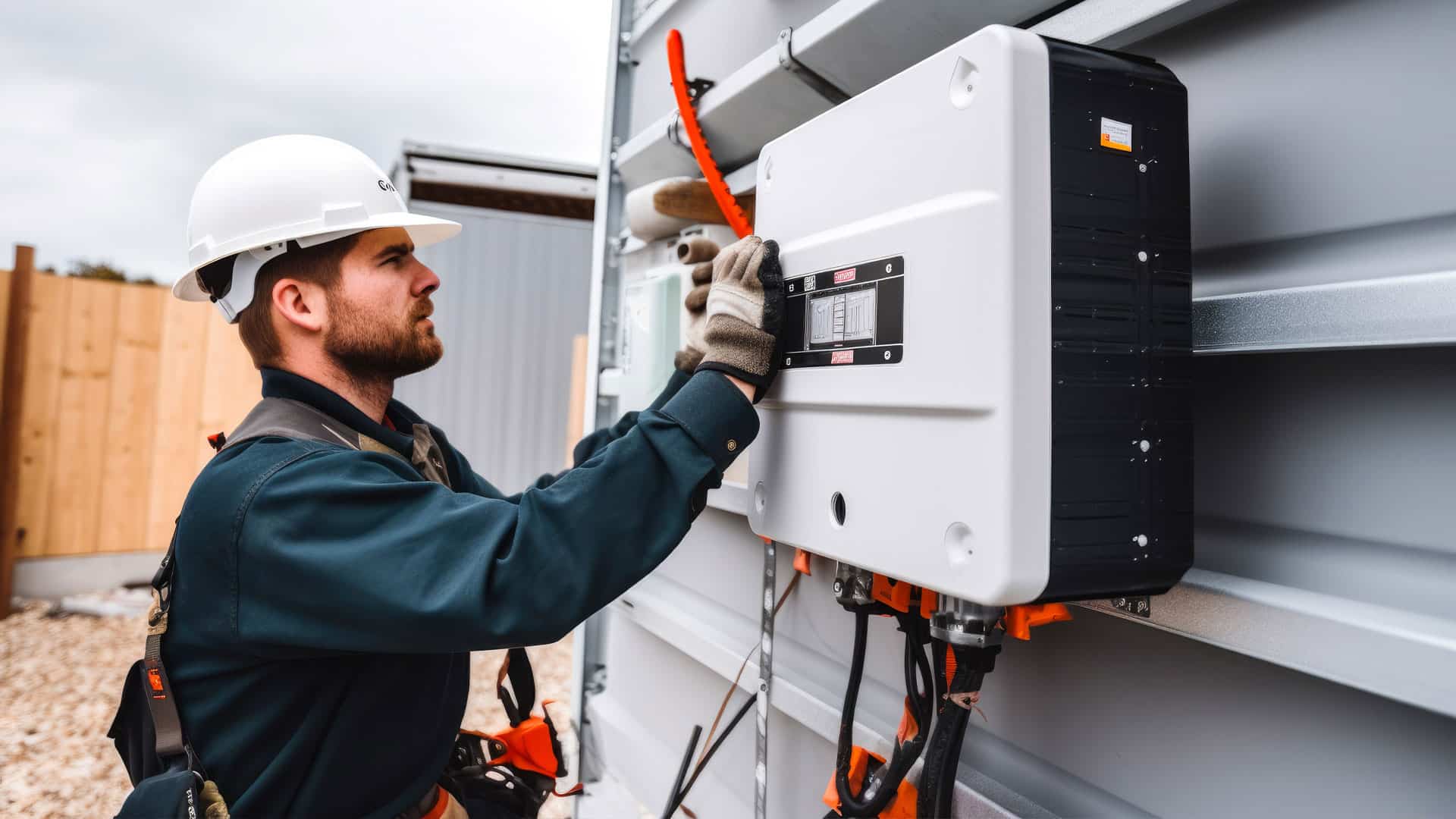
Simple Steps to Improve Your Home’s Energy Efficiency
Key Takeaways
- Sealing air leaks helps cut energy bills by over 5%.
- Smart thermostats can lower heating and cooling expenses by up to 10%.
- LED lighting significantly reduces energy consumption and replacement costs.
- Routine HVAC maintenance ensures efficient operation year-round.
- Unplugging devices prevents unnecessary energy waste.
Improving your home’s energy efficiency is easier than you might think. With a few targeted changes, you can decrease your monthly utility bills and help protect the environment. From sealing air leaks to scheduling HVAC inspections, these steps are practical, affordable, and effective. If you want an in-depth assessment to begin your journey, consider booking an Energy Audits Denver CO, to evaluate where your home may be losing energy and how to address it.
Modern homes often lose energy in ways that go unnoticed, such as outdated bulbs or “phantom” electricity use from appliances left plugged in. By targeting these key areas, homeowners can save money, increase comfort, and add value to their property.
Seal Air Leaks
Drafts around windows, doors, and even electrical outlets can cause your home’s temperature to fluctuate and force your heating and cooling system to work overtime. By sealing air leaks with caulk, foam sealant, or weatherstripping, you can reduce air transfer, making your home more comfortable and energy-efficient. According to the U.S. Department of Energy, reducing drafts in your home can cut energy bills by more than 5% while improving indoor comfort.
Upgrade to a Smart Thermostat
Smart thermostats help optimize your home’s temperature settings based on your daily routine. By automatically lowering the temperature when you’re away and readjusting before you return, these devices bring savings and convenience together. Most models offer remote scheduling, energy usage reports, and easy integration with smart home systems. According to the U.S. Department of Energy, properly using a programmable or smart thermostat can save homeowners up to 10% on heating and cooling costs each year.
Switch to LED Lighting
Replacing old incandescent bulbs with LED lights is one of the easiest ways to save energy. LED bulbs use about 75% less energy and last at least 25 times longer than traditional options. Beyond their efficiency, LEDs produce less heat, further reducing the strain on your cooling system. Over time, these bulbs not only pay for themselves but also decrease the need for frequent replacements.
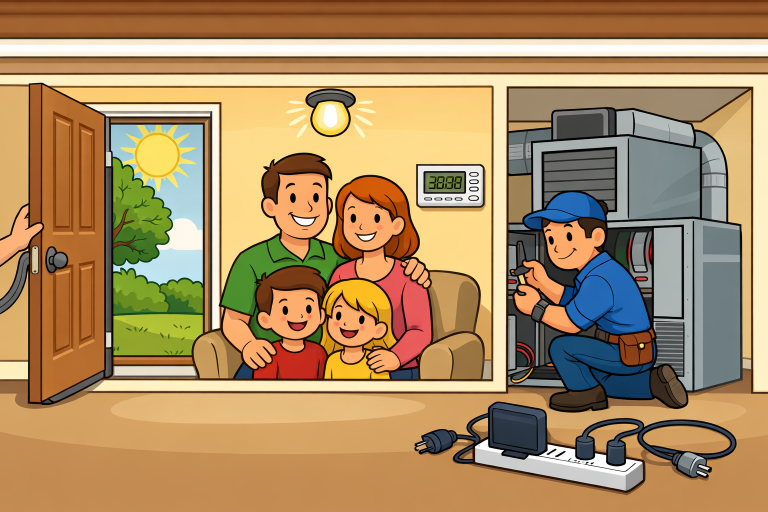
Maintain Your HVAC System
Your heating and cooling system plays a central role in your home’s energy use. Scheduling routine maintenance, such as changing air filters monthly and having annual professional inspections, ensures your HVAC system runs efficiently. Clogged filters and dirty components increase energy usage and the risk of expensive repairs. According to Consumer Reports experts, maintaining your system is critical for both performance and energy savings.
Unplug Unused Devices
Devices like televisions, chargers, and kitchen appliances can use electricity even when switched off, a situation commonly called “phantom” or “standby” energy use. Unplugging these devices or using a power strip to cut the power flow can help prevent unnecessary energy waste. This simple habit could lower your energy bill by up to 10% over time.
Insulate Your Home
A well-insulated house retains heat in the winter and stays cooler in the summer, reducing the load on your HVAC system. Attics, crawlspaces, and basement ceilings are critical areas to insulate. The Environmental Protection Agency (EPA) offers guidance on recommended insulation levels for your local climate, helping you determine which upgrades will deliver the best results. By adding or upgrading insulation, homeowners can see dramatic long-term savings.
Use Energy-Efficient Appliances
When appliances need to be replaced, look for the ENERGY STAR label. ENERGY STAR-qualified models use up to 50% less energy than non-certified counterparts. Upgrading appliances like refrigerators, washers, and dishwashers not only delivers energy savings but also often comes with rebates or tax incentives to help with the initial investment.
Conduct a Home Energy Audit
A professional home energy audit is the most thorough way to identify your home’s inefficiencies. Certified auditors perform detailed checks and provide a prioritized list of improvements, from insulation upgrades to HVAC system enhancements. Organizations such as the U.S. Department of Energy can help homeowners locate a qualified auditor in their region. An audit is a smart step to ensure you are making cost-effective, impactful changes.
Adopting even a handful of these energy-saving steps can translate to meaningful reductions in your utility bills and carbon footprint. By making small changes, you’ll create a more comfortable and energy-efficient home for years to come.
Additional Energy-Saving Tips for Everyday Living
Finally, small everyday habits can further enhance your energy efficiency efforts. Make a habit of washing laundry with cold water when possible, as heating water accounts for a significant portion of energy use in most homes. Set your water heater’s thermostat to 120 degrees Fahrenheit, which is adequate for most needs and helps prevent scalding while reducing energy consumption. Additionally, consider air-drying dishes and clothing instead of running the dryer or dishwasher heat cycles. That move requires a little extra time but saves energy each cycle.
Consider strategically using window treatments to keep your home comfortable. Well-chosen curtains or blinds can reduce heat loss in winter and prevent heat gain in summer. On sunny days, open south-facing window treatments to let in warmth, while in summer, close blinds to keep rooms cooler. Planting deciduous trees around your home can also provide cooling shade in summer while allowing sunlight to warm your home in winter after the leaves fall. This approach, known as landscaping for energy efficiency, can lower demand on your heating and cooling systems and even enhance your home’s curb appeal.
Another often-overlooked way to reduce energy waste is to assess and optimize your home’s water system. Fix leaky faucets and install low-flow showerheads and aerators in sinks wherever possible. This not only conserves water but also reduces the energy used to heat it, delivering savings on two utility bills. Over the long run, attention to these simple maintenance tasks can have a cumulative, positive impact on your household expenses and resource usage.