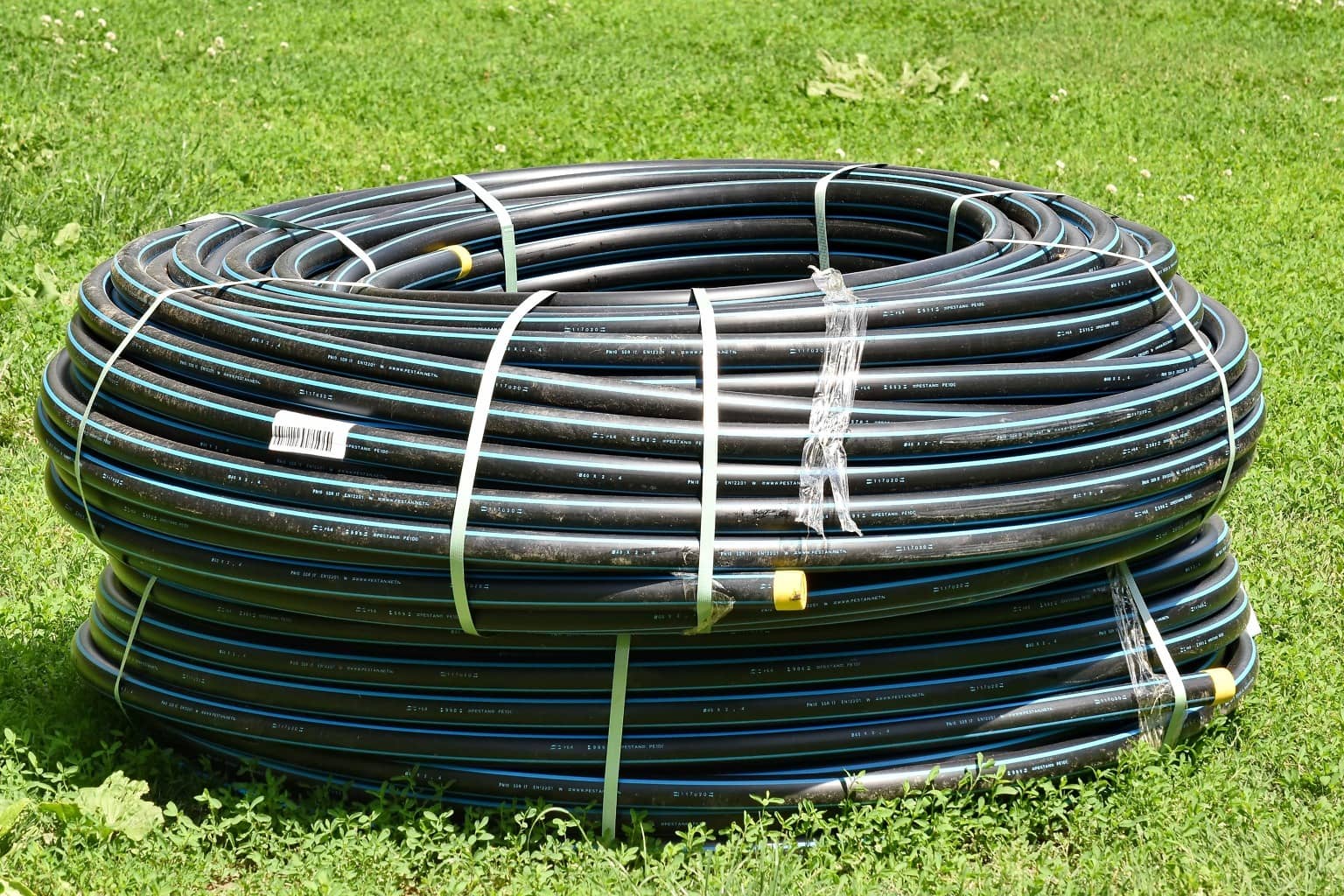
Innovative Solutions for Industrial Hose Maintenance and Safety
Key Takeaways
- Incorporating advanced hose materials and technologies reduces breakdowns and increases reliability.
- Regular inspection schedules and organized storage directly extend hose life.
- Sustainable approaches in material selection benefit both operations and the environment.
Industrial hoses serve as the backbone across industries such as manufacturing, construction, and agriculture, ensuring smooth operations and productivity. Proper care and adherence to safety measures are not just recommended, as they are necessary for protecting investments and maintaining reliability. Those seeking durable options can explore quality hoses for a variety of industrial applications. As industrial demands shift, so do the solutions for maintaining and safeguarding these essential components.
Advancements in both technology and sustainability bring forward new ways to enhance the lifespan and safety of industrial hoses. This article explores these innovative developments and practical strategies to help operations managers and technicians maintain efficient, safe, and environmentally conscious workflows. The evolution of hose technology, combined with modern safety protocols, positions businesses to experience fewer operational interruptions and improved risk management. Understanding current best practices allows industry professionals to make informed decisions regarding product selection and maintenance planning. In addition to choosing the right hoses, a comprehensive approach may include a full suite of hydraulic products to support complex systems and improve overall industrial efficiency.
Advancements in Hose Materials and Design
Modern industrial hoses are manufactured using reinforced fibers such as polyamide and aramid, which offer increased flexibility and resilience over traditional steel wire. This switch helps minimize corrosion and mechanical failure, thereby enhancing longevity. An emerging trend is the incorporation of bio-based polymers and recycled compounds, which support sustainability goals without sacrificing performance. These new materials not only improve resistance to operational stressors but also help companies meet growing regulatory and environmental standards.
Another notable innovation in hose design is modular construction, which allows easy replacement of specific sections of hose rather than the entire assembly. This modularity saves both costs and resources over time, empowering maintenance teams to act quickly and reduce material waste. Furthermore, manufacturers are developing specialized hose linings tailored to withstand abrasive or chemically aggressive media, better serving niche applications. The result is a more robust product lineup that can withstand the toughest industrial environments.
Regular Inspection and Maintenance Practices
Proactive inspections are fundamental to maintaining the integrity of industrial hoses. Scheduled checkups should focus on spotting cracks, abrasions, or bulges along the hose surface. Inspect connections for signs of leaks, and verify that hoses are operating within designated temperature and chemical exposure limits. Following manufacturer-recommended maintenance intervals prevents unexpected downtime and extends the equipment’s operational life. In addition, maintaining detailed inspection logs helps teams spot recurring issues and address them before they escalate. Incorporating digital inspection tools, such as mobile apps and handheld sensors, enables technicians to document hose conditions and create maintenance reminders with ease. Capturing this information electronically streamlines reporting, enables data-driven preventive planning, and facilitates trend analysis to identify systemic challenges. Companies that invest in such technology see tangible reductions in unplanned shutdowns and repair costs, and they benefit from more accurate compliance with safety standards.
Proper Hose Storage Solutions
Mismanaged hoses are prone to premature wear and internal damage. Opting for industrial hose racks helps keep hoses organized and off the floor, drastically reducing the risk of cuts, abrasions, and compromised flexibility. Organized storage solutions simplify inventory checks and access, reducing the time spent searching for components and minimizing potential mistakes in fast-paced work environments. These improvements translate to direct cost savings by lowering the frequency and severity of hose replacements and repairs.
Climate-controlled storage environments can significantly improve hose longevity. Exposure to extreme temperatures, UV radiation, and high humidity can accelerate the degradation of hose materials. By maintaining consistent environmental conditions and storing hoses away from direct sunlight and chemicals, facilities can maximize the usable life of their hose inventory. Investing in automated storage solutions equipped with tracking systems further increases efficiency, especially for operations managing a large fleet of hoses and equipment.
Embracing Sustainable Materials
The drive for greener operations has led manufacturers to integrate renewable, bio-based, and recycled materials into hose production. Using such materials lowers the carbon footprint of industrial processes and helps industries align with best practices for corporate responsibility. These eco-friendly hoses maintain their performance standards, offering durability while reducing greenhouse gas emissions. Some sectors now prioritize suppliers able to document and verify their sustainability claims, guiding the entire supply chain toward more responsible practices. Beyond raw material selection, sustainability initiatives now focus on closed-loop recycling systems. After a hose reaches the end of its service life, certain manufacturers collect, recycle, and repurpose the materials for use in new products, thus minimizing landfill waste. Industries that partner with these forward-thinking manufacturers demonstrate their commitment to environmental stewardship, which can enhance their reputations and even attract eco-conscious clients.
Implementing Advanced Technologies
The latest hoses can feature sensors that monitor real-time pressure and flow rates. With these digital enhancements, maintenance teams receive immediate alerts about changes that could indicate leaks or blockages. Early detection ensures minor issues are addressed before they become major hazards, facilitating proactive rather than reactive management. Additionally, multi-purpose hose designs reduce inventory requirements and streamline operations, giving teams more flexibility and easier system integration.
Remote monitoring systems are also gaining traction in industrial hose maintenance. These connected technologies allow for centralized data collection and remote troubleshooting, even across multiple facilities. When paired with predictive analytics, companies can anticipate failures based on usage patterns, improving both scheduling and resource allocation. Incorporating these solutions represents a shift towards smarter, more autonomous maintenance strategies, ultimately boosting productivity and reducing downtime.
Training and Safety Protocols
Continuous training ensures that personnel apply proper techniques for installation, operation, and maintenance. Safe hose handling reduces accident rates and extends hose life, while clear protocols for regular inspections and swift emergency response are critical. Institutions should foster a safety-oriented culture, emphasizing the importance of reporting concerns and investing regularly in skills development. Appropriate safety guidelines also help businesses meet industry regulatory requirements, further reducing liability risks.
In today’s evolving industrial landscape, the implementation of scenario-based training modules alongside traditional instruction has proven highly effective. These modules simulate real-world emergencies and daily maintenance activities, equipping staff with practical experience to respond swiftly and correctly under pressure. Regular refresher courses and certifications not only support compliance but also ensure a team remains up to date on the latest technological advancements and best practices in hose safety and care.
Conclusion
Maintaining and enhancing the performance of industrial hoses goes beyond product selection. It requires a commitment to regular inspections, organized storage, ongoing training, and the adoption of innovative materials and advanced monitoring technologies. Sustainable practices not only benefit the environment but also promote efficiency and cost savings. With the right strategies in place, industries are well-positioned to achieve improved reliability, reduced downtime, and safer work environments for everyone involved. By staying informed about the latest in industrial hose solutions and continually adapting operations to incorporate new technologies and best practices, businesses can not only strengthen their safety protocols but also achieve measurable increases in operational output and long-term profitability. Developing strong relationships with manufacturers and suppliers further ensures access to quality products and expert guidance, making industrial hose management a cornerstone of modern, sustainable industry.