
The Connection Between Light Therapy, Relaxation, and Recovery
Key Takeaways
- Light therapy utilizes specific wavelengths to influence biological processes linked to mood, relaxation, and healing.
- It has established applications in treating seasonal affective disorder (SAD), supporting circadian rhythm regulation, and aiding recovery from various health conditions.
- Appropriate use and consultation with a healthcare provider are important to maximize effectiveness and safety.
Understanding Light Therapy
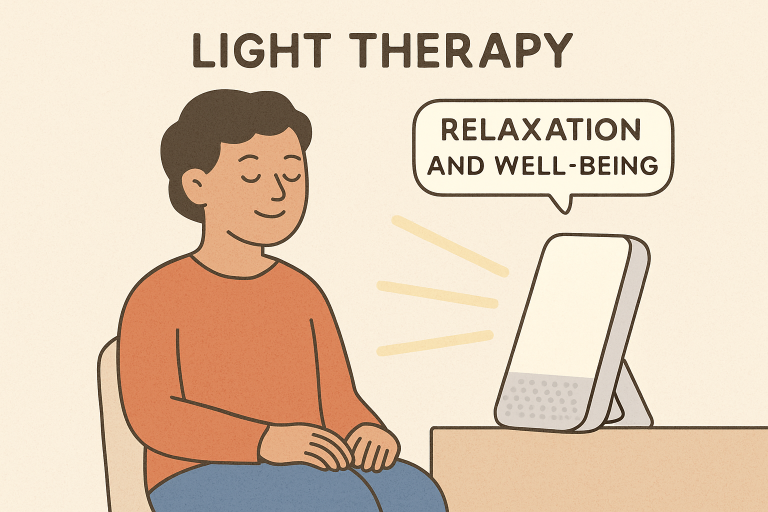
Light therapy, often called phototherapy, involves exposure to specially designed artificial light sources that replicate the properties of natural sunlight. With increasing interest in simple, non-pharmaceutical health solutions, treatments like red light therapy are increasingly used by individuals seeking to manage seasonal mood disorders, improve skin health, and regulate sleep patterns. These approaches can provide an accessible alternative for those who prefer non-invasive wellness options.
Typically, the light boxes used in therapy emit bright light of specific wavelengths, which interacts with retinal cells to transmit signals to the brain’s regulatory centers. The therapeutic effects result from these neurochemical responses, which help synchronize the body’s internal clock, or circadian rhythm, and support key physiological processes. This makes phototherapy especially valuable for those dealing with disruptions such as jet lag or shift work-related sleep difficulties.
Light Therapy and Relaxation
The relaxation-promoting effects of light therapy stem from its direct action on circadian rhythm regulation. Exposure to bright light during the daytime helps signal to the body that it is time to be wakeful and alert, paving the way for improved sleep at night. Studies indicate that individuals who use light boxes to adjust their light exposure schedules report reduced insomnia symptoms and lower stress levels over time.
Supporting Holistic Wellness
Many people also seek comprehensive care in environments designed for relaxation and wellbeing, such as a wellness center. These environments frequently incorporate light therapy as part of broader programs that support relaxation through activities such as meditation, yoga, and massage.
Accelerating Recovery with Light Therapy
Scientific studies have expanded our understanding of light therapy, particularly its potential in accelerating recovery from injuries and chronic health conditions. Low-level light therapy, also known as photobiomodulation, has demonstrated positive effects on cellular activity in damaged tissues. By improving mitochondrial function and energy production, light therapy assists the body’s natural repair mechanisms.
Notably, neurological studies show that targeted light therapy can improve cognitive outcomes for individuals recovering from traumatic brain injuries. These outcomes include enhanced brain connectivity and a more rapid return to baseline functioning. Researchers are actively exploring its promise for broader neurological applications.
Mechanisms Behind Light Therapy’s Effects
The efficacy of light therapy is tied to its effect on cellular and biochemical pathways. When the body is exposed to certain wavelengths of light, photoreceptors in cells absorb this energy and trigger processes that enhance mitochondrial function. This leads to greater production of adenosine triphosphate (ATP), the fundamental unit of cellular energy.
Elevated ATP levels speed up tissue repair, reduce inflammation, and even promote blood circulation, all of which contribute to improved healing and relaxation. By lowering inflammation, light therapy also helps users experience relief from chronic pain and muscle soreness, making it a supportive tool for post-exercise recovery.
Applications in Mental Health
One of the most significant and well-researched uses for light therapy is in the mitigation of mood disorders like seasonal affective disorder. By mimicking sunlight, light therapy stimulates serotonin production, a neurotransmitter associated with feelings of well-being and calm. This makes it uniquely suited for those who experience low mood or depression with seasonal light changes.
Further studies have shown light therapy’s potential in treating other mood disorders, including non-seasonal depression, premenstrual syndrome (PMS), and symptoms of post-traumatic stress disorder (PTSD), underscoring the broad mental health applications for structured therapeutic light exposure.
Considerations and Safety
Although light therapy is widely regarded as safe, it is important for anyone considering this intervention to consult a healthcare provider, especially if they have preexisting eye conditions, photosensitivity, or mood disorders such as bipolar disorder. Correct usage, including appropriate timing and duration, enhances both the safety and the benefits of therapy.
As with any therapy, individualized protocols are ideal for ensuring that users receive the desired benefits without unwanted side effects. Awareness of potential issues like eye strain, headaches, or mild agitation can help users make informed choices and adjust their routines as needed.
Conclusion
Light therapy continues to show promise as a safe, effective, and accessible option for individuals seeking relaxation, improved mood, and accelerated recovery from a range of conditions. Its versatility stems from its direct effects on biological rhythms and cellular processes. As science advances, its list of practical applications grows, supporting holistic health in ways that are both evidence-based and non-invasive.