How Regular Septic Pumping Prevents Expensive Repairs
Key Takeaways:
- Septic pumping is crucial to prevent system overload and subsequent backups.
- Routine care increases the lifespan of your septic components
- Proactive maintenance can keep your property value strong and protect the environment
For homeowners, the septic system is one of the most vital and often overlooked elements of a reliable household. Neglecting proper care can lead to a range of problems, from simple inconveniences to major financial headaches. Embracing proactive maintenance, particularly regular septic pumping services, is the smartest step you can take to protect both your property and your budget. Most costly septic system repairs can be avoided with routine attention and an understanding of what a well-maintained system needs.
Ignoring your septic system doesn’t just risk repairs; it can impact your property value, household health, and the surrounding environment. Consistent maintenance ensures wastewater is safely managed, reduces the risk of unpleasant surprises, and gives you and your family peace of mind. Here’s how regular pumping works to your advantage and how to know when it’s time to call a professional.
Understanding the timing and procedure for tasks like septic system repair will help keep your system running for decades. With a well-planned approach, you can avoid costly emergencies and maintain your home’s health and safety.
.
Understanding the Role of Septic Pumping
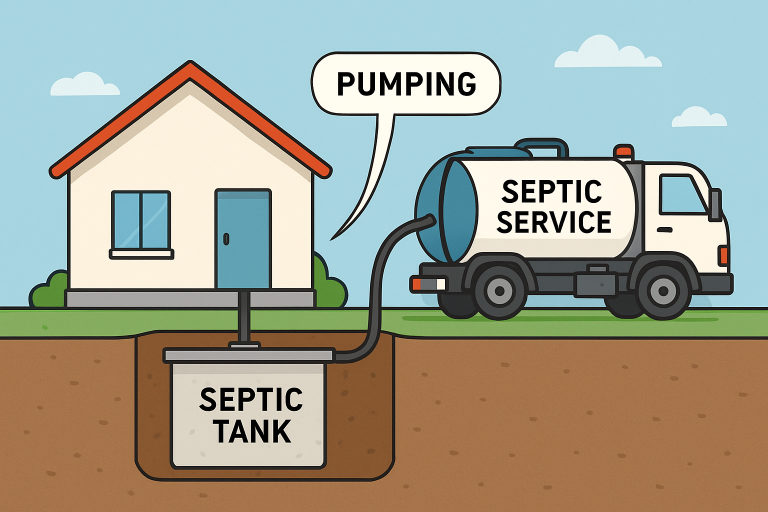
Septic systems are designed to separate and process household wastewater. Solids naturally settle at the bottom of your septic tank, while liquids flow out to the drain field for further treatment. Over time, these solids build up, reducing your tank’s capacity and efficiency. As these layers thicken, the risk of overflow increases, which can clog your drain field and cause sewage backups not just outside but even into your home. The Environmental Protection Agency (EPA) recommends inspecting your septic system every 3 years and pumping it every 3 to 5 years, depending on your household size and usage. Regular pumping eliminates built-up sludge, preventing blockages and costly repairs.
Preventing Costly Repairs
Failing to maintain your septic tank can trigger a chain of problems, including severe blockages, unpleasant odors, muddy or saturated lawns, and contaminated groundwater. Major septic system failures frequently require extensive interventions or even complete system replacement projects that easily run into the tens of thousands of dollars. By adhering to a regular pumping and inspection schedule, minor issues can be identified and remedied before they escalate. This preventive approach is vastly more affordable and less disruptive than dealing with emergencies or code violations. Homeowners who prioritize regular maintenance drastically lower their lifetime repair costs and avoid the disaster of a full septic failure.
Extending the Lifespan of Your System
Septic systems are built to last, but only when properly maintained. With regular pumping and timely repairs, a septic tank can reliably serve a home for 20 to 40 years or even longer. Neglect, on the other hand, significantly shortens this lifespan, often necessitating expensive replacements years before their time. Routine maintenance keeps key components like baffles, filters, and pumps running smoothly, preventing premature system failure. A well-maintained system isn’t just an investment in your current quality of life; it’s an investment in your property’s long-term value.
Protecting Your Property Value
Potential buyers are increasingly cautious about properties with aging or unknown septic systems. A history of consistent, professional maintenance, including regular septic pumping and up-to-date service records, boosts buyer confidence and makes your property more attractive. On the other hand, leaks, odors, or sluggish drains can drive buyers away, forcing price reductions or requiring immediate repairs as a contingency of sale. Regular pumping is not just a maintenance task; it’s a direct contributor to your property’s market value and ease of transaction.
Environmental Benefits
Beyond individual property concerns, septic systems that are not routinely maintained pose real risks to local ecosystems. An overloaded tank can leak untreated sewage into the soil, contaminating groundwater and nearby wells, or seep into rivers and streams. By keeping your septic system in peak condition with regular pumping, you’re also safeguarding community water resources and public health. Reliable maintenance is a proactive way for homeowners to reduce their environmental footprint and maintain compliance with local health regulations.
Signs Your Septic System Needs Attention
- Sluggish drains or frequent backups in sinks, tubs, or toilets
- Persistent sewage odors indoors or outdoors
- Puddling or soggy grass near the drain field or septic tank
- Gurgling noises in your plumbing
If you notice any of these warning signs, it’s time to schedule a septic inspection and pumping. Addressing problems early is your best defense against far more extensive and expensive repairs.
Conclusion
Regular septic pumping is an often-overlooked practice that can save homeowners thousands of dollars and countless headaches. By committing to routine inspections and pumping, you’re ensuring your septic system remains reliable, your property retains its value, and your local environment stays healthy. Don’t wait for an emergency, take a proactive approach and schedule regular septic care to safeguard your home for years to come.