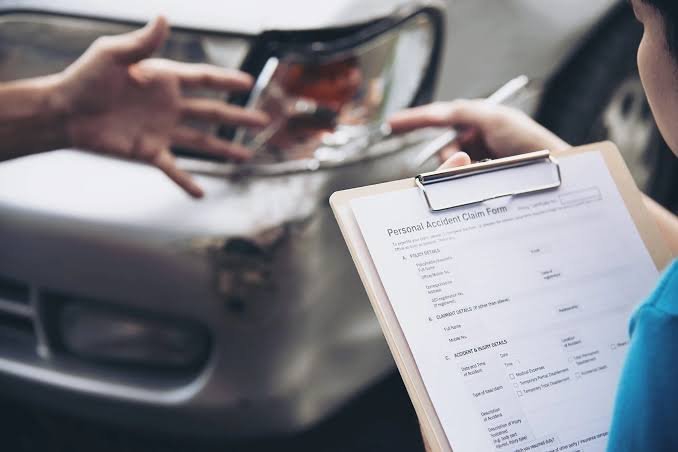
Common Mistakes to Avoid After a Florida Car Accident
One moment, you were driving where you needed to go. Then everything changed. After a crash, even a minor one, your mind can race from pain, insurance worries, missed work, car repairs, and the fear of saying the wrong thing. If that is where you are right now, you are not overreacting. This is a hard moment, and it is easy to make choices that seem harmless but can hurt your health or your claim later. Lesión Personal en Orlando.
The short version is simple. Get medical care, document what happened, be careful when speaking with insurers, and do not assume the process will sort itself out. Many errores comunes después de un accidente de tráfico en Florida happen in the first few days, when stress is high and facts are still unclear. If you know what to avoid, you give yourself a better chance to protect your recovery, your finances, and your legal options.
Why Do So Many Mistakes Happen After a Car Accident?
Shock changes how people think. You may feel fine at the scene, only to wake up the next morning with neck pain, headaches, or back stiffness. You may want to be polite and tell the other driver, “I am okay,” even when you are not sure. You may also trust the insurance company to handle things fairly from the start. Because of this tension, people often act before they have the full picture.
One common mistake is failing to call law enforcement when the situation calls for it. Florida drivers should understand their duties after a crash, and the Florida Driver Handbook is a useful place to review those rules. A police report can become an important piece of evidence, especially when stories conflict later.
Another problem is waiting too long to get medical treatment. In Florida, prompt treatment matters for both your health and your insurance claim. What if you think the pain will pass, but it turns out to be a soft tissue injury or concussion? Delays can give the insurance company room to argue that your injury was not serious, or was caused by something else.
Then there is the issue of recorded statements. Insurance adjusters may sound calm and helpful, and sometimes they are. Even so, their job is to evaluate the claim and protect the company’s interests. If you guess about speed, timing, pain levels, or fault, those words may be used against you later. That is one of the most common mistakes after a car accident, especially when people speak before they have medical answers or legal guidance.
What Should You Never Say or Do When Insurance Gets Involved?
You should not admit fault, even partly, at the scene or on the phone. That does not mean you refuse to cooperate. It means you stick to facts. Exchange information, report the crash, and avoid statements like “I did not see you” or “This was probably my fault.” Fault is often more complex than it looks in the first few minutes.
You should also avoid accepting a quick settlement before you understand your injuries. A fast offer can feel like relief, especially if bills are already coming in. But once you settle, you may give up the right to seek more money if your condition gets worse. So, where does that leave you? It means slowing down enough to understand the full cost of the crash before signing anything.
It also helps to know how Florida auto coverage works. The state’s automobile insurance toolkit explains key coverage issues in plain language, and the Florida Chief Financial Officer auto insurance resource gives a broader look at policy types and consumer protections. These details matter because many people assume every expense will be covered automatically, and that is often not the case.
Which Choices Can Hurt Your Case the Most?
Some mistakes create bigger problems than others. If you post photos or comments about the crash on social media, for example, those posts can be taken out of context. A smiling picture at a family event does not prove you are pain free, but it may still be used that way. If you skip follow up appointments, that can also weaken your case because it suggests your injuries were not serious enough to treat consistently.
Another serious issue is poor documentation. If you do not take photos, save receipts, keep medical records, or track missed work, you may struggle to prove your losses later. A personal injury lawyer can help organize and present that evidence, but the earlier it is preserved, the better.
How Do Common Post Accident Mistakes Compare to Safer Choices?
| Mistake | Why It Creates Risk | Safer Choice |
| Waiting to see a doctor | Injuries may worsen and insurers may question the claim | Get evaluated promptly and follow treatment advice |
| Giving a recorded statement too soon | Stress and missing facts can lead to harmful comments | Provide basic facts and get guidance before detailed statements |
| Admitting fault at the scene | Early assumptions may not match the evidence | Stick to facts and let the investigation determine fault |
| Posting on social media | Posts can be misread and used to challenge your injuries | Stay off social media until the claim is resolved |
| Taking the first settlement offer | You may settle before knowing the full cost of care and lost income | Review damages carefully before agreeing to anything |
What Can You Do Right Now to Protect Yourself?
1. Get medical attention and keep every record. Even if you think the crash was minor, get checked. Save discharge papers, prescriptions, invoices, and notes about your symptoms each day.
2. Build a simple evidence file. Keep photos of the scene, vehicle damage, visible injuries, the crash report, witness names, and receipts for out of pocket costs. If you miss work, document that too.
3. Slow down before speaking or signing. Be polite, but do not guess, minimize your pain, or accept a settlement before you know the full picture. If questions become detailed or pressure starts building, it may be time to speak with a lawyer who handles injury claims.
What Happens Next If You Avoid These Errors?
You do not need to handle everything perfectly to protect yourself. You just need to avoid the mistakes that cause the most damage. When you get medical care, stay organized, and think carefully before dealing with insurers, you put yourself in a stronger position. That can make a real difference in both your recovery and your claim.
If you are feeling unsure about your next step, that is normal. After a crash, clear guidance matters. Reach out to discuss your situation and find out what options may be available to you.