Understanding RTP Beyond The Percentage Sign
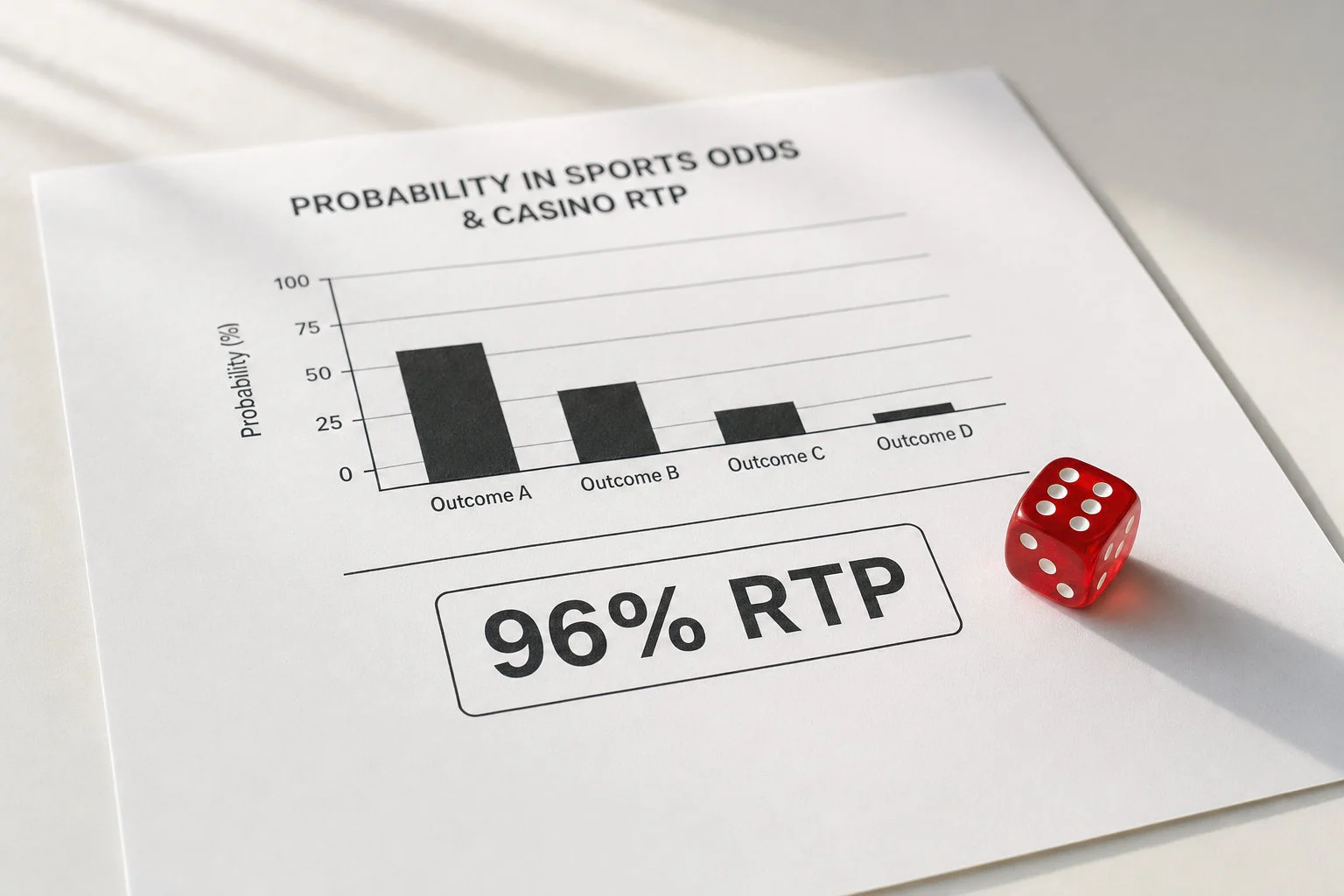
The term Return to Player (RTP) is something that most players will look at and see, for example, an 86%, and think that means they make an 86% return on each play session, but it doesn’t. RTP is not a guarantee but a long-run average of results generated from millions of simulated rounds. When explaining the RTP metric gap at Betway, it’s easy to say it’s a theoretical value, but it’s very different when you are actually playing the game and experiencing the output. This article explains exactly where the RTP number originates, why it can’t give a true indication of the game, and which supporting numbers can give a much truer picture of what a game feels like to play.
Where The RTP Number Actually Comes From
RTP is calculated from a game’s paytable and probability weighting of each symbol, card, or outcome. If placing a sports bet is advertised as having a 96% RTP, then, over the long term (usually tens of millions of bets played in the process of certifying the game), 96 cents of every dollar played will be returned to the players. This is an average of the population, not an individual forecast, and provides no information on the distribution of winnings over the sample. This is something that is normally overlooked in an explanation of RTPs to the casual player. For players who also follow sport, Betway offers a separate way to engage with events through sports betting, with markets covering football, basketball, tennis and other competitions, so users can move from casino games to placing as Sports Bet based on the matches and sports they actually follow.
Session Length And The Law Of Large Numbers
RTP is a statement on the long run, over an incredibly large number of spins, and most sessions will not be anywhere near this length. An “okay” session is a couple hundred spins, far fewer than the number considered to be a sample size to determine a game’s theoretical RTP. This gap accounts for the varying outcome of short-term results from the stated percentage, but not a sign of the game’s problem. The long-run average will come into play reliably after sustained play of a very large number of rounds.
Table Games Complicate The Picture Further
Unlike slots, RTP is not as important for table games as it is for their strategy compliance. The typical 99.5% RTP for blackjack is based on the assumption that the basic strategy is being used perfectly against a set of rules, including a set number of decks, specific dealer-stand rules, and a specific payout ratio for a natural blackjack. If you take any other approach, or play at a variant of the game with different rules, the actual number changes, and it can change by a lot. Therefore, it is better to publish a single RTP for a game such as blackjack than to give a guarantee to any player who decides to play the game.
Getting The Most Out Of That RTP Number
RTP is a true and useful screening tool when used for what it is, and that’s a long-term statistical average backed by an independent audit rather than a prediction of what will happen on a particular session. RTP is most useful to those who do not view it in isolation but combine the data with variance data, hit frequency, and a realistic view of how many times they have been playing the game. Make use of the percentage as a starting data point at Betway, not a refund policy, and the rest of the game’s math begins to make a lot more sense.