10 Critical Mistakes To Avoid After Being Charged With A Crime
Table of Contents
- Talking to the Police Without a Lawyer Present
- Ignoring Your Right to Remain Silent
- Attempting to Contact the Alleged Victim or Witnesses
- Discussing Your Case on Social Media
- Failing to Take Bail or Bond Hearings Seriously
- Not Hiring an Experienced Criminal Defense Attorney
- Missing Court Dates or Deadlines
- Withholding Information From Your Attorney
- Violating the Terms of Release
- Underestimating the Long-Term Consequences
- Conclusion
Facing criminal charges is a life-altering event that can have severe short-term and long-term consequences. Whether you are falsely accused or caught in an unfortunate circumstance, your actions immediately after being charged play a critical role in determining your future. Knowing the right steps to take, and more importantly, which pitfalls to avoid, can be the difference between a favorable or devastating outcome. If you or someone you know is facing criminal charges, consulting experienced legal counsel, such as the professionals at martinlawfirmpc.com, should be your first consideration.
Unfortunately, many people make avoidable mistakes out of fear, confusion, or a lack of understanding of the legal system. This article covers the 10 most critical mistakes individuals make after being charged with a crime, guiding you to safeguard your rights and build a stronger defense.
Missteps can happen in moments of panic or misunderstanding. By recognizing these errors, you can better protect yourself, your reputation, and your future opportunities. Rely on professional legal support at every stage and stay informed to avoid exacerbating your legal challenges.
Alongside expert legal advice, understanding the gravity and complexity of the criminal justice process is crucial. Taking the time to educate yourself can prevent additional worries and ensure you respond appropriately after an arrest.
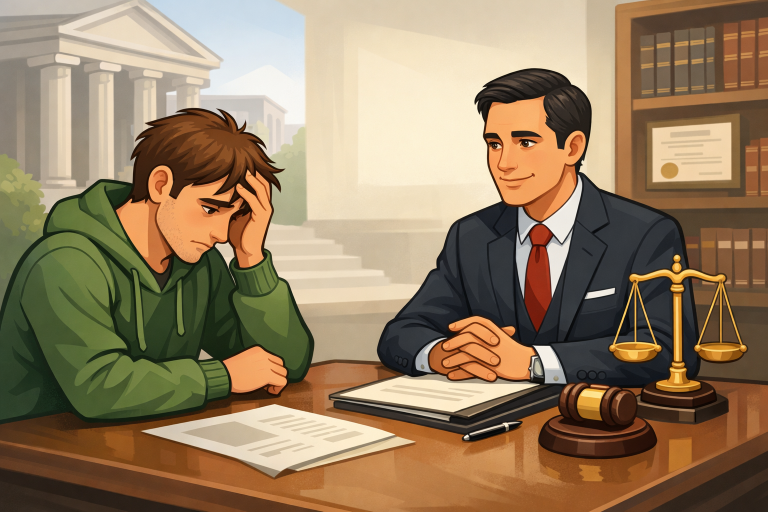
Talking to the Police Without a Lawyer Present
One of the most common and damaging mistakes is speaking to law enforcement officers without having legal counsel present. Anything you say can and will be used against you in court. Even minor inconsistencies or nervous comments may be misinterpreted as guilt. Politely assert your right to remain silent and promptly request an attorney before answering questions.
Ignoring Your Right to Remain Silent
Sometimes people believe cooperating fully with the police will clear things up. While cooperation is important, volunteering information without legal guidance only endangers your case. Exercise your right to remain silent, as guaranteed by the Fifth Amendment, until you have an attorney advising you on what to share and when.
Attempting to Contact the Alleged Victim or Witnesses
No matter your intentions, reaching out to the victim or witnesses can be seen as tampering or intimidation. Such efforts almost always backfire and could even result in additional charges. It is critical to let your defense attorney handle all communication with the involved parties.
Discussing Your Case on Social Media
Posting online about your case may seem like a way to broaden support or clear your name. However, prosecutors and law enforcement monitor social media for evidence or statements that could hurt your defense. Err on the side of caution and refrain from any public commentary, including private messages, about your case.
Failing to Take Bail or Bond Hearings Seriously
An initial bail or bond hearing determines whether you can be released while awaiting trial and, if so, under what conditions. Showing up late, being unprepared, or disrespecting the court may negatively influence the judge’s decision. Take these hearings seriously and follow your lawyer’s advice to ensure the best chance of pretrial release.
Not Hiring an Experienced Criminal Defense Attorney
Attempting to represent yourself or hiring an attorney without criminal law experience can dramatically reduce your chances of a favorable outcome. The criminal justice system is complex, with ever-changing laws and strict procedures. Qualified attorneys understand prosecution tactics and how to mount an effective defense. For more information on the importance of specialized counsel, see this NOLO resource.
Missing Court Dates or Deadlines
Failing to appear in court or missing important filing deadlines often leads to additional charges, such as contempt of court or bench warrants for your arrest. Always note your court appearances and all deadlines carefully. Your attorney can help you keep track and ensure you meet every requirement.
Withholding Information From Your Attorney
Some defendants may feel embarrassed or fear that certain details could make them look guilty. However, your attorney cannot build an honest, effective defense without complete and truthful information about your situation. Remember, attorney-client privilege protects your conversations, so be open and provide all relevant details to your legal team.
Violating the Terms of Release
If you are released on bail or bond, you must strictly adhere to all conditions set by the court. Violating these terms, such as contacting protected parties, traveling out of jurisdiction, or failing drug tests, can result in immediate re-arrest and loss of release privileges.
Underestimating the Long-Term Consequences
Some individuals falsely believe a criminal charge will disappear or that a conviction will not significantly impact their lives. In reality, a criminal record can affect job opportunities, housing, professional licensing, and even voting rights in some cases. Understanding the stakes underscores why avoiding mistakes is vital. Further details on collateral consequences are available via FindLaw.
Conclusion
When faced with criminal charges, your actions matter. Avoiding these 10 critical mistakes can safeguard your rights and position you for the best possible outcome. Be proactive, consult an experienced criminal defense attorney promptly, and never underestimate the complexity of the legal system. Taking these steps is essential to protecting your future and moving forward after a legal challenge.