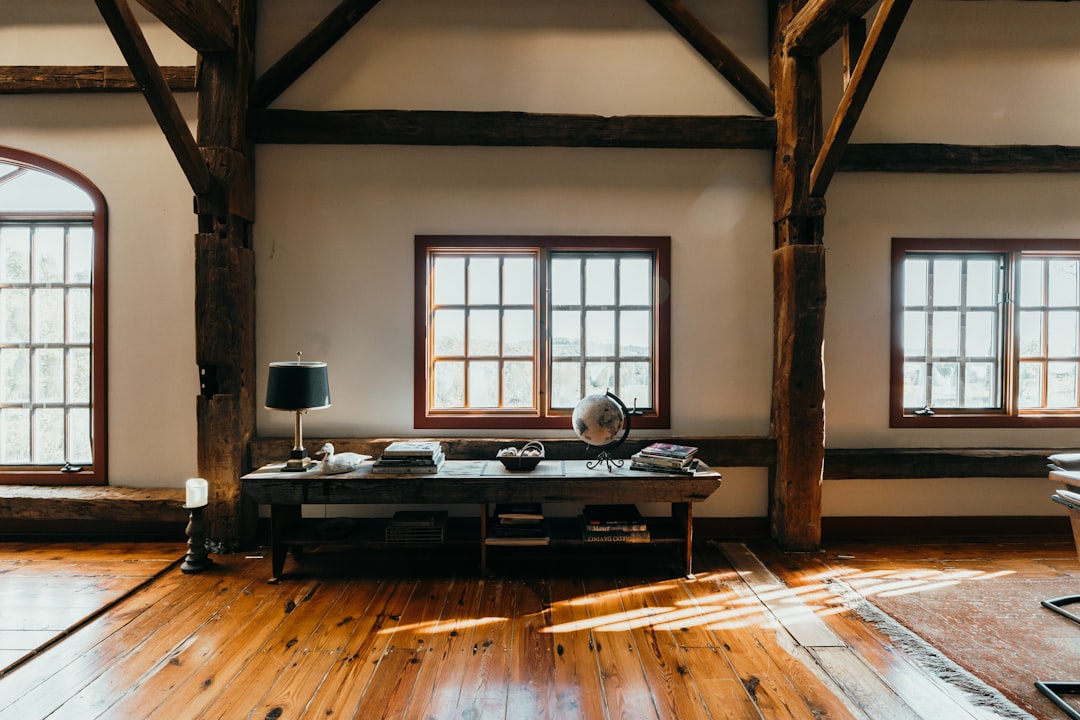
Maximizing Property Value and Guest Comfort in Real Estate
High-ROI Renovations for Modern Homeowners
When we make smart updates, we improve our daily lives and boost our home’s market appeal. Strategic renovations can transform a house into a dream home. They can also provide excellent returns when it’s time to sell.
We will explore how focusing on both comfort and property value can lead to wise decisions. We will look at specific renovations that offer high returns on investment. We will also cover essential factors that influence how much our home is worth.

Investing in our homes can be a rewarding endeavor, both for our daily comfort and our long-term financial health. The key lies in identifying renovations that offer the highest return on investment (ROI) while also enhancing our living experience. Not all improvements are created equal; some projects consistently deliver more bang for our buck.
For instance, the ‘2024 Cost vs. Value Report’ highlights a wide range of ROIs, from as low as 23.9% for an upscale primary suite addition to an impressive 193.9% for replacing a garage door. This demonstrates that strategic, often less glamorous, updates can significantly outperform large-scale luxury projects in terms of value recovery.
When planning renovations, it’s crucial to avoid over-personalization. While we might love a bold color scheme or a very specific fixture, future buyers may not. Neutrals appeal to the greatest number of buyers, making homes more desirable. Additionally, always consider neighborhood comparables (comps). An improvement that pushes our home far beyond the average value of similar properties in the area might not fully recoup its cost.
Here’s a general comparison of common renovation ROIs:
Renovation Project Estimated ROI (Percentage) Garage Door Replacement Up to 194% Interior Painting Up to 107% Minor Kitchen Remodel Around 96% Landscaping Improvements Up to 200% Smart Home Technology Up to 5% Attic Insulation Around 116% Exterior Painting Around 50% Upscale Primary Suite Addition Around 23.9% Prioritizing Property Value and Comfort in the Kitchen
Kitchens are often called the heart of the home, and for good reason. They are central to daily living and entertaining, making kitchen renovations a top priority for adding value. A minor kitchen remodel, which might cost around $10,000 to $20,000, can provide about a 96% return on investment. This typically involves updating countertops, refreshing custom cabinetry (or painting existing ones), installing new Energy Star certified kitchen appliances, and modernizing hardware and lighting fixtures.
The goal is to create a functional layout that feels contemporary and inviting without undertaking a full, expensive overhaul. Focusing on these elements can significantly improve both the aesthetic appeal and the daily usability of the space, making it a more comfortable and valuable asset.
Bathroom Enhancements for Daily Luxury
Bathroom renovations are another area where comfort and value intersect beautifully. They consistently rank high for ROI, with remodels recovering about 50% of their costs, but significantly impacting buyer appeal. Small changes can make a big difference. For instance, upgrading to walk-in showers, installing bidet toilets (which are gaining popularity for their hygiene benefits), or simply replacing an outdated vanity can elevate the space.
Average bathroom remodel costs can range from $6,000 for minor updates to $35,000 for more extensive overhauls (based on internet data and not actual costs for Romero Hardwood Floors). Beyond aesthetics, focusing on moisture control (essential for preventing mold and preserving structural integrity) and incorporating touchless faucets or smart storage solutions can add a sense of daily luxury and modern convenience.
Climate Control and Energy Efficiency Strategies

One of the most impactful ways to enhance both comfort and long-term property value is through strategic climate control and energy-efficient upgrades. These improvements not only make our homes more pleasant to live in year-round but also lead to significant savings on utility bills, a major selling point for prospective buyers.
Upgrading our HVAC (Heating, Ventilation, and Air Conditioning) system to a more efficient model, ensuring proper air sealing throughout the home, and repairing leaky ductwork are fundamental steps. Studies show that as much as 40 percent of our home’s heated or cooled air can escape through leaks in ductwork. Conducting an energy audit can pinpoint exactly where our home is losing energy, guiding our investment decisions.
Integrating solar panels can further boost energy independence and value, with many jurisdictions offering tax credits and rebates for such installations. Even smaller changes, like installing smart thermostats, can save families an average of 8 percent on their energy bills, or about $50 a year. Managing relative humidity through proper ventilation, humidifiers, or dehumidifiers also plays a crucial role in maintaining comfort and preventing issues like mold growth.
Enhancing Property Value and Comfort through Insulation
Insulation is often an unseen hero in home comfort and value. Proper insulation, especially in the attic, can provide a remarkable return on investment, recouping around 116% of its cost in increased property value. This is because heated air rises, making the attic a critical area for energy loss. Improving insulation helps maintain consistent temperatures throughout the home, reducing the strain on our HVAC systems and lowering energy bills.
Beyond the attic, upgrading to triple-pane windows can drastically improve thermal performance and sound dampening. Low-cost solutions like weather stripping and caulking around doors and windows (which can cost as little as $20 to $150 based on internet data) are highly effective in sealing air leaks. These measures collectively contribute to a more comfortable indoor environment, free from drafts and extreme temperature fluctuations, while also significantly boosting our home’s energy efficiency rating.
Smart Technology and Home Automation
The integration of smart technology into our homes is no longer a futuristic concept but a growing expectation for many buyers. Smart thermostats, security cameras, automated lighting, and interconnected fire and carbon monoxide detectors offer unparalleled convenience, energy savings, and peace of mind. Kimberly Greenwell, a home industry expert, notes that “Smart technology lets you know when a door opens, and cameras let you peek into your home anytime, anywhere. It also adds modern-day convenience to your everyday life and gives you peace of mind when you are away.”
Real estate studies suggest that smart home features can increase property value by around five percent. While the rapid pace of technological advancement means some tech might face obsolescence, carefully chosen, foundational smart systems remain highly attractive. They empower us with remote monitoring and control, making our homes more comfortable, secure, and appealing to a tech-savvy market.
The Impact of Flooring and Interior Layout
The choices we make for our home’s interior, particularly flooring and layout, profoundly influence both daily comfort and market appeal. Open floor plans, which maximize natural lighting and create a sense of spaciousness, are highly sought after by modern buyers. Knocking down non-structural walls can transform a cramped layout into an inviting, flowing space, making the home feel larger and more functional.
When it comes to flooring, the verdict is in: homebuyers overwhelmingly prefer hard-surface floors over carpet. Hardwood floors, in particular, are a perennial favorite due to their durability, timeless aesthetic, and ease of cleaning, which also contributes to better indoor air quality by reducing allergens. For those considering an upgrade or looking to enhance their home’s appeal, understanding the nuances of different flooring types is crucial. An expert hardwood flooring value can be found by consulting specialists who can guide us through the best options for our home. If existing hardwood floors are hidden beneath old carpet, refinishing them (which can cost between $1,500 and $8,000 based on internet data and not actual costs for Romero Hardwood Floors) can be a cost-effective way to boost value and appeal.
Beyond major overhauls, simply decluttering and organizing our spaces can make a tremendous difference. A clean, organized home allows buyers to visualize themselves living there, creating an ‘inviting canvas’ that feels more comfortable and spacious.
Guest Comfort and Value in Rental Markets
For landlords and property managers, understanding what tenants value is paramount to maximizing rental profits and ensuring guest comfort. Post-pandemic, the demand for dedicated home office space has surged, reflecting a permanent shift towards remote work. Properties that offer this, alongside features like on-site laundry and built-in storage solutions, stand out.
Durable, low-maintenance materials are key in rental properties. For instance, converting from carpet to waterproof vinyl plank flooring can significantly reduce maintenance headaches and appeal to tenants seeking easy-to-clean spaces. The appeal of furnished units, especially in dynamic urban centers, is also on the rise, catering to transient professionals or those seeking immediate comfort. For those looking to invest in properties that prioritize tenant satisfaction and strong rental returns, exploring markets with high demand for move-in ready options, such as those offering Detroit furnished comfort and value, can be a smart strategy. Focusing on these elements can lead to higher tenant retention and increased rental income.
Exterior Enhancements and Curb Appeal
First impressions matter, and nowhere is this more true than with our home’s exterior. Curb appeal plays a pivotal role in boosting home value, with landscaping improvements alone capable of delivering a powerful return on investment of up to 200 percent. Strategic landscaping doesn’t just look good; it also offers practical benefits. For example, a fully grown, properly placed tree can cut cooling costs by as much as 40 percent.
Beyond greenery, the condition of our home’s exterior paint, the style of our front door, and even the appearance of our garage door significantly influence perceived value. Exterior painting offers about a 50 percent ROI, while garage door replacement stands out with one of the highest ROIs among home renovations, as much as 194 percent. This is because garage doors often occupy a large portion of a home’s façade, making their appearance highly impactful.
Opting for low-maintenance plants, creating inviting outdoor living spaces like decks and patios, and ensuring a well-maintained lawn all contribute to an attractive and welcoming exterior. These elements not only enhance our enjoyment of our property but also signal to potential buyers that the home has been well cared for, setting a positive tone before they even step inside.
Understanding Market Dynamics in 2025-2026
To truly maximize property value, we must understand the various ways our home’s worth is assessed and how market conditions influence it. There are several key distinctions:
- Market Value: This is what a buyer is willing to pay for a property in a competitive market. It’s the most dynamic and reflective of current supply and demand.
- Appraised Value: A professional appraiser’s estimate, typically required by lenders, based on a thorough inspection of the property, its features, and recent comparable sales. This is often considered the most accurate method for major financial decisions.
- Assessed Value: This figure is determined by local tax assessors for property tax purposes. Assessed values often lag behind market values, as assessments usually happen on fixed cycles, not continuously.
- Fair Market Value: Similar to market value, it’s the price a property would sell for on the open market, given that both buyer and seller are informed and acting in their own best interests, without undue pressure.
The housing market in 2025-2026 has been characterized by modest growth and regional variations. According to Redfin’s national data, home prices were up 1.7% year-over-year in September 2025, with the median price reaching $435,285. The national median existing-home price reached $415,200 in September 2025, up 2.1% year-over-year. Inventory levels saw an increase of 9.4% compared to the previous year, while existing-home sales rose 1.5% in September 2025, partly due to falling mortgage rates.
Factors like location, home condition, the quality of local school districts, and recent comparable sales in the area are paramount in determining property value. Even micro-location factors, such as proximity to amenities or the specific position of a lot, can play a role.
When considering the best time for renovations, seasonal factors and broader economic conditions can influence outcomes. Spring and summer are often popular for renovations due to better weather, but contractors might be busier and pricier. Winter might offer better rates.
Financing options for home improvements aimed at increasing value include using cash from savings (the most common method, used 84% of the time), credit cards (29%), or secured loans like home equity lines of credit (HELOCs) and cash-out refinances (12%). These allow homeowners to tap into their existing equity to fund value-adding projects.
Frequently Asked Questions about Property Value and Comfort
What is the difference between market, appraised, and assessed value?
Market value is what a buyer is willing to pay for a property in the current open market. Appraised value is a professional, unbiased estimate of a home’s worth, typically conducted for lenders by a licensed appraiser, considering factors like condition, features, and recent comparable sales. Assessed value, on the other hand, is determined by local government tax assessors for property tax calculation and often lags behind true market values.
How much can strategic renovations increase a home’s sale price?
The increase in a home’s sale price from strategic renovations depends heavily on the project and local market. While ROI varies, strategic updates like a minor kitchen remodel (around 96% ROI) or a garage door replacement (up to 194% ROI) can recover a significant portion, or even more, of their costs. These improvements can potentially add tens of thousands to the final sale price, making the home more attractive and competitive.
What are the most effective low-cost updates under $750?
For updates under $750, deep cleaning and decluttering (costing around $150–$600 for professional services) offer an immediate and significant impact on perceived value. Interior painting (with an ROI as high as 107% and costs ranging from $200–$2,000 depending on scope) is another excellent option. Updating cabinet hardware, light fixtures, or adding fresh landscaping elements (like planting a shade tree that can cut cooling costs by 40%) also provide high returns for minimal investment.
Conclusion
Our homes are dynamic assets, constantly evolving with our needs and the broader market. By strategically investing in renovations that enhance both property value and our daily comfort, we are not just making cosmetic changes; we are building long-term equity and improving our quality of life. Balancing aesthetics with function, prioritizing energy efficiency, and understanding the nuances of market dynamics are key to making informed decisions.
Whether we are planning to sell in the near future or simply want to enjoy our home more, professional consultations can help us identify the most impactful projects. From high-ROI kitchen and bathroom updates to the often-overlooked benefits of proper insulation and smart home technology, every thoughtful improvement contributes to a home that is both a comfortable sanctuary and a valuable investment. Focusing on these dual goals ensures sustainable value growth and a home that is truly market-ready and a joy to live in.